DIY Project How to Make a Succulent Fountain

DIY Succulent Fountain Conversion Garden Design

DIY: How to Make a Succulent Fountain 

Looking for a way to add a beautiful and water friendly feature to your garden? We’ve got the perfect garden project for your next weekend outdoors.

Here at Eye of the Day, Amelia Richardson, better known as Mimi, takes care of the succulent plantings around the store. An expert on succulents, she takes an overlooked wall fountain and transforms it into a beautiful container garden. This project is great not just for drought-stricken California, but any garden that gets enough sunlight throughout the year.

Here is a step-by-step guide to converting a fountain into a succulent fountain garden.

Step 1: Choose Your Vessel

DIY Succulent Fountain Conversion Garden Design
We chose an overlooked wall fountain as our container for this project.

Choose a fountain. It can be one meant to mount a wall, a standalone fountain, single or multi-tiered, or even a birdbath will do!

Step 2: Prep Your Container

Drain the fountain of water and make sure that any drainage holes are covered, if any. You can use a broken piece of pottery or terracotta. The soil will still shift so periodically check the draining that soil isn’t completely blocking it off.

You can also add a layer of rock gravel first before adding soil. If you’re using a birdbath, this step is a must.

Step 3: Add Your Soil

We recommend using cactus mix when planting succulents. It drains quickly which is good for plants that can’t sit in wet soil. We use EB Stone’s Organic Cactus Mix. If you live near Eye of the Day here in the Santa Barbara area, be sure to stop by and get some!DIY Succulent Fountain Conversion Garden Design

Step 4: Choose Your Succulents

DIY Succulent Fountain Conversion Garden Design
So much to choose from!

When picking succulents, it will really depend on the planter. On large planters, you can choose a focal plant that you can work smaller succulents around. For example: A large Echeveria or Aeonium in the center that is worked around with smaller accent pieces like Sedum morganianum. 

DIY Succulent Fountain Conversion Garden Design
Mimi doing some “shopping.”

Mimi Tips:

  • Have fun when picking succulents. Grouping like with like is also easier.
  • Color story: Jewel toned, all greens, chartreuses, blacks, cool tones versus warm tones
  • Textural: Soft, sharp, or hardy.
  • Shape: Round (Echeveria, aeonium, sempervivum), spiky (crassula, sansevieria), mix of large and small, tall and short. Senicio radicans and Sedum morganianum even mimic water flow as they drape over the edges.
  • Single type: Just one type of succulent for beginner planters. All rosette types are always pretty.

Step 5: Plan the Layout

Before you start the actual planting, place the succulents either on the ground or in the fountain as you imagine the final product. Here you can edit and rearrange as you see how it’ll all come together.

Sometimes planters can be organized and others more organic and wild. It will depend on the container and where it’s going.DIY Succulent Fountain Conversion Garden Design

Step 6: Start Planting

When removing a succulent from its plastic container, sometimes you’ll be transplanting to an area smaller than the soil around the succulent. You can remove much of the soil while still preserving the roots to get it to fit in the container spot.DIY Succulent Fountain Conversion Garden Design

Mimi Tip: Don’t be afraid to plant them close together. You can always leave space to let them fill out but getting into every nook and cranny helps to create its own ecosystem and that full growth actually slows down the propagation.

DIY Succulent Fountain Conversion Garden DesignBesides, you can always remove, replace and transplant—that’s the great nature of succulents. Succulents are hardy; they’re hard to ruin so press them into the soil. You can also use wet sheet moss to keep the plants moist and reduce the need for additional watering.

DIY Succulent Fountain Conversion Garden Design
Wet the moss before using. The moss helps keep succulents moist and is also decorative.

Step 7: Add Decorative Elements

Depending on the container get creative using shells, pieces of wood, rocks, broken pot or statue pieces, sea glass, etc. as added decorative material. If you prefer space between your succulents, these elements can help cover the soil.

DIY Succulent Fountain Conversion Garden Design
Mimi Tip: Firmly place the succulents into their spot–don’t worry, they’re resilient!

DIY Succulent Fountain Conversion Garden Design

Step 8: Final Watering 

Give it a quick but generous soak and wash off the container with any leftover dirt. With succulents you want to water once or twice a week depending on sun and weather conditions. Soil should dry out (not completely bone dry) between watering. If soil is still damp you don’t need to water just yet.

If you’re using a container that does not have a drainage hole like a birdbath, then you would let it go bone dry between watering.

DIY Succulent Fountain Conversion Garden Design
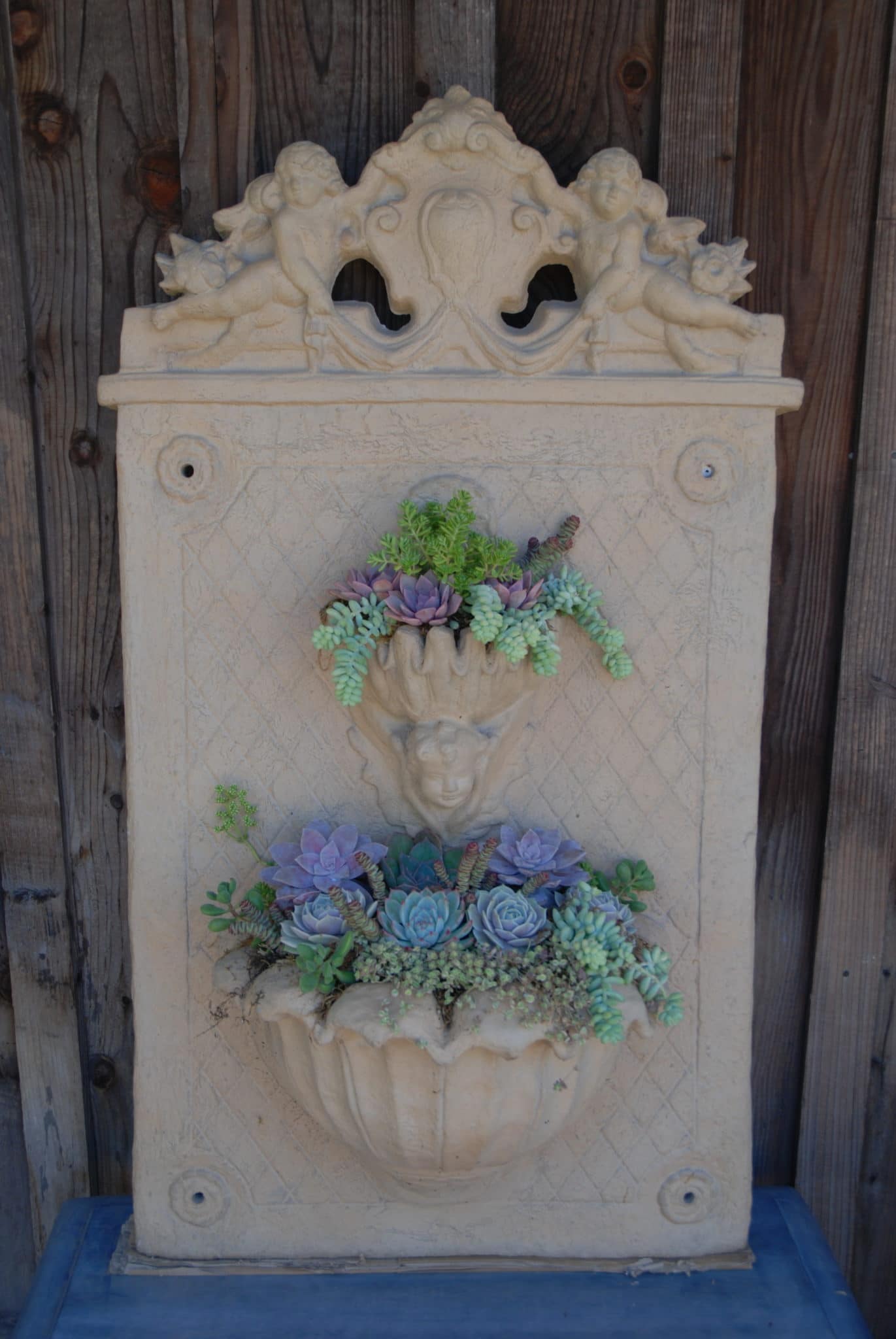
The top tier of this fountain plays with color and shape.

DIY Succulent Fountain Conversion Garden Design
Rosette shapes in different jewel tones are accented by sedum.

DIY Succulent Fountain Conversion Garden Design

Voila! You have a beautiful, water friendly, succulent fountain!


To check out another fun DIY project take a look at Design Rulz article on DIY Macrame Plant Hanger Patterns.
Designer Recommendations for the California Garden

Eye of the Day| California Plant recommendations|Aristida Purpurea

What to Plant? The California Garden Checklist

Many of the landscape architects, designers and trade professionals  that have been frequenting Eye of the Day over the years are now friends and we asked a few of them what plants they like to use and why when designing for their clients.

Rick Button of Rick Button Landscaping

Some of Rick’s favorites:

  • OLIVES – They are simply beautiful in leaf, form and symbolism. I can make a case for them matching up with any vernacular of architecture.  They belong here.
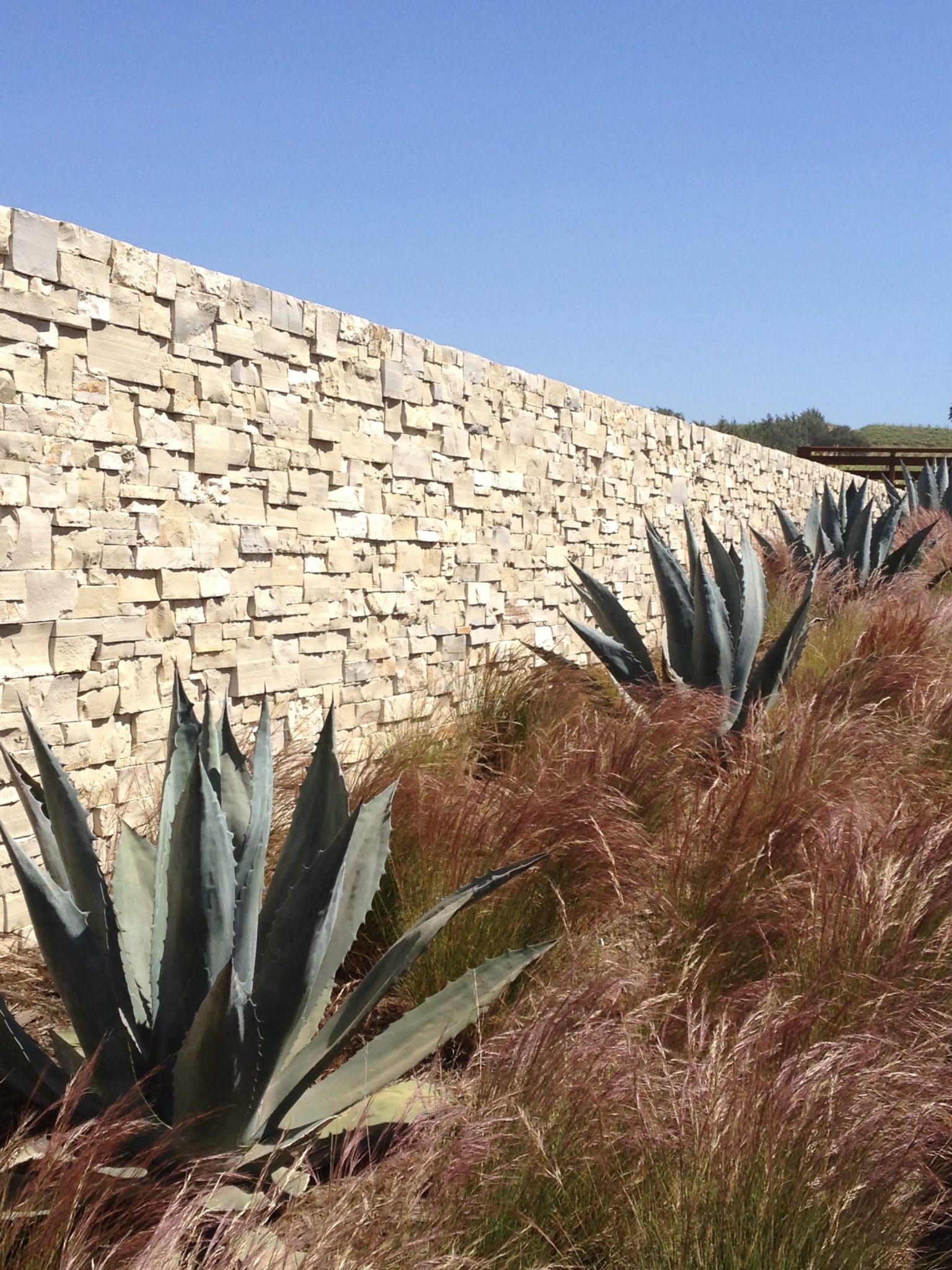
  • AGAVES – Where I am allowed to include them, I am always pleased. They are pure sculpture. Beautiful color. Put them with anything.  They steal the show.
  • CURRY – That gorgeous little shot of silver. Put it right next to a vibrant yellow green and you do not need another color in the garden. I keep them cut close without ever blooming and they become big billowy mounds.
  • ROSES – Always.
  • BOUGAINVILLEA – Always.
  • CITRUS – Always.

Puck Erickson of Arcadia Studio

I am going for Aristida purpurea.

  • PURPLE THREE-AWN – One of my favorite California grasses, it is worth the weight as it settles into the landscape. A great substitute for the invasive Mexican Feather Grass which should never be planted. Its delicate texture and subtle color picks up our afternoon light and it moves easily in the wind.

Bridget Walker of Arcadia Studios

Bridget also asked some of her colleagues for their favorites:

  • FRUITLESS OLIVE – A beautiful evergreen tree with silver green foliage. Olives are a great choice for drought tolerant landscapes; they are low water usage, love full sun and can be planted in many forms.
  • CLUSTERED FIELD SEDGE – A low-growing native grass commonly used as a drought tolerant lawn alternative. Perfect for informal lawns and meadow gardening
  • GIANT ORANGE NODDING PINCUSHION. A low mounding South African Native with course green foliage. Spring brings spectacular orange blooms 4-6″ wide.  Great in the green or for cut flowers for the home.

Sally Farnum of S E Farnum Associates

Sally gave me a list so long I had to make my own choices from her list:

  • CEANOTHUS “RAY HARTMAN”. Pale blue, fragrant blooms, it requires little water, no soil disturbance, no fertilizing, no drip and no application of soil amendment.
  • LANTANA “CONFETTI”. A shrub-type Lantana that loves the sunshine, it produces masses of flower clusters in yellow, pink, purple and wine-colored hues, it is drought and deer-resistant.
  • Many roses are cultivated for low water use, such as Meidiland, drift roses, knockout roses and some David Austins

If you are interested in more suggestions for drought-tolerant plants, please let me know: I have more recommendations for our friends.

Photo Credit: Courtesy of Arcadia Studio 


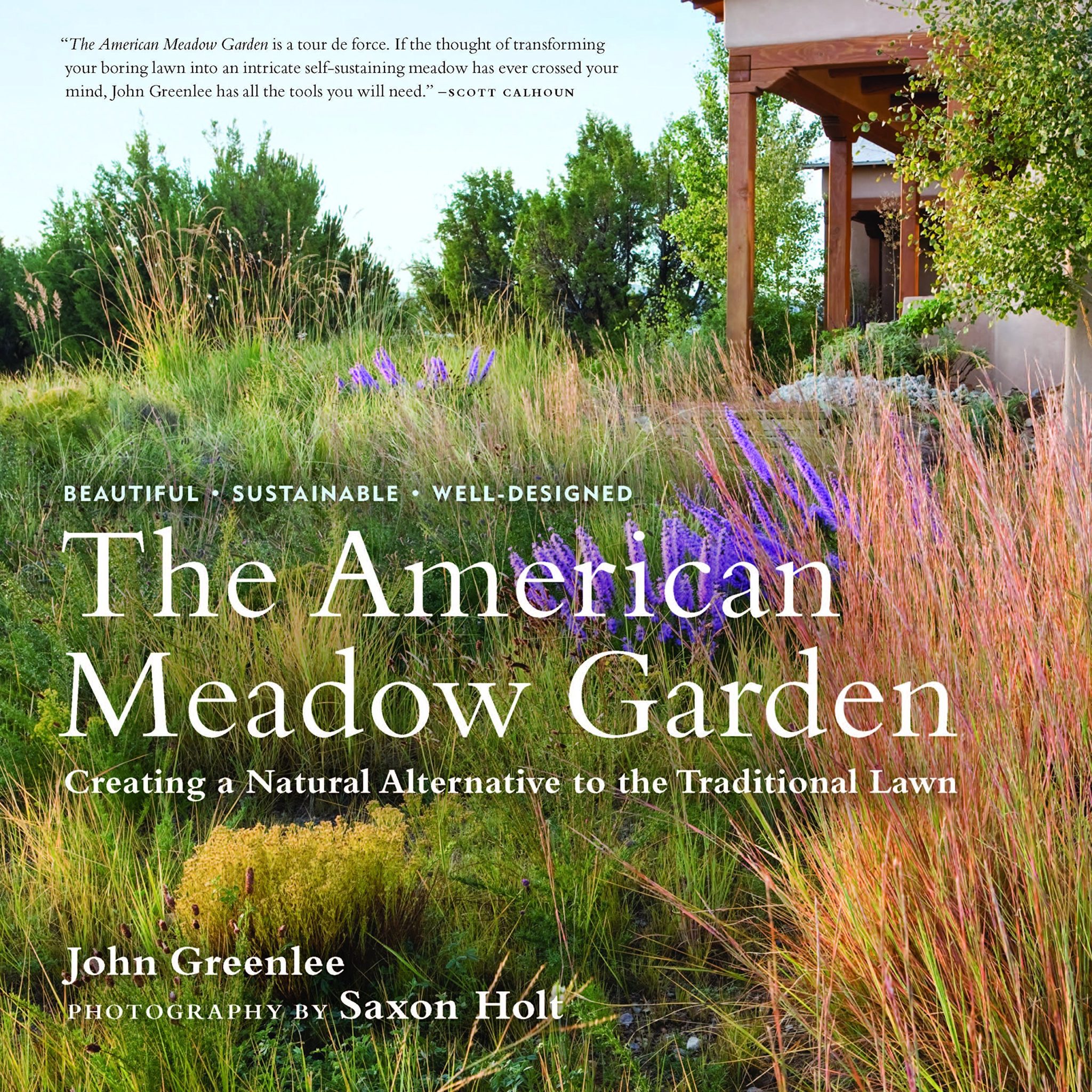
Book Review: The American Meadow Garden by John Greenlee

Eye of the Day|American meadow|John Greenlee

“We’ve reached a stage where we can no longer follow past practices unthinkingly, particularly when those practices are wasteful and injurious to the environment. It’s time to get rid of the old-fashioned lawn and embrace a sane and healthy future: the designed meadow.” – John Greenlee

In The American Meadow Garden: Creating a Natural Alternative to the Traditional Lawn, “grass guru” John Greenlee leads us into a new way of thinking about grass.  He uses the words “glade,” “grassland,” “mead,” “savanna,” “pasture,” “sod,” and “meadow” among other terms, to describe areas around the world that are largely treeless, grass-covered landscapes.

These words paint an image of golden or green grassy carpets, rippling in a breeze. In this beautiful book, we are given a portfolio of meadow gardens and a guide to grasses for meadows and how to maintain them.

We’re constantly looking for ways in which to cope with our water-challenged world in California and Greenlee offers alternatives to our lawn habit. In many areas, aquifers are dwindling and water is increasingly scarce. There is no longer enough of it to supply lawns. Growing populations and dwindling supply is our scary future and our landscapes must change with the times. The American Meadow Garden was published in 2009, but the relevance of the information and ideas within its covers increases every year.

The American Meadow Garden: Creating a Natural Alternative to the Traditional Lawn, by John Greenlee, Timber Press 2009


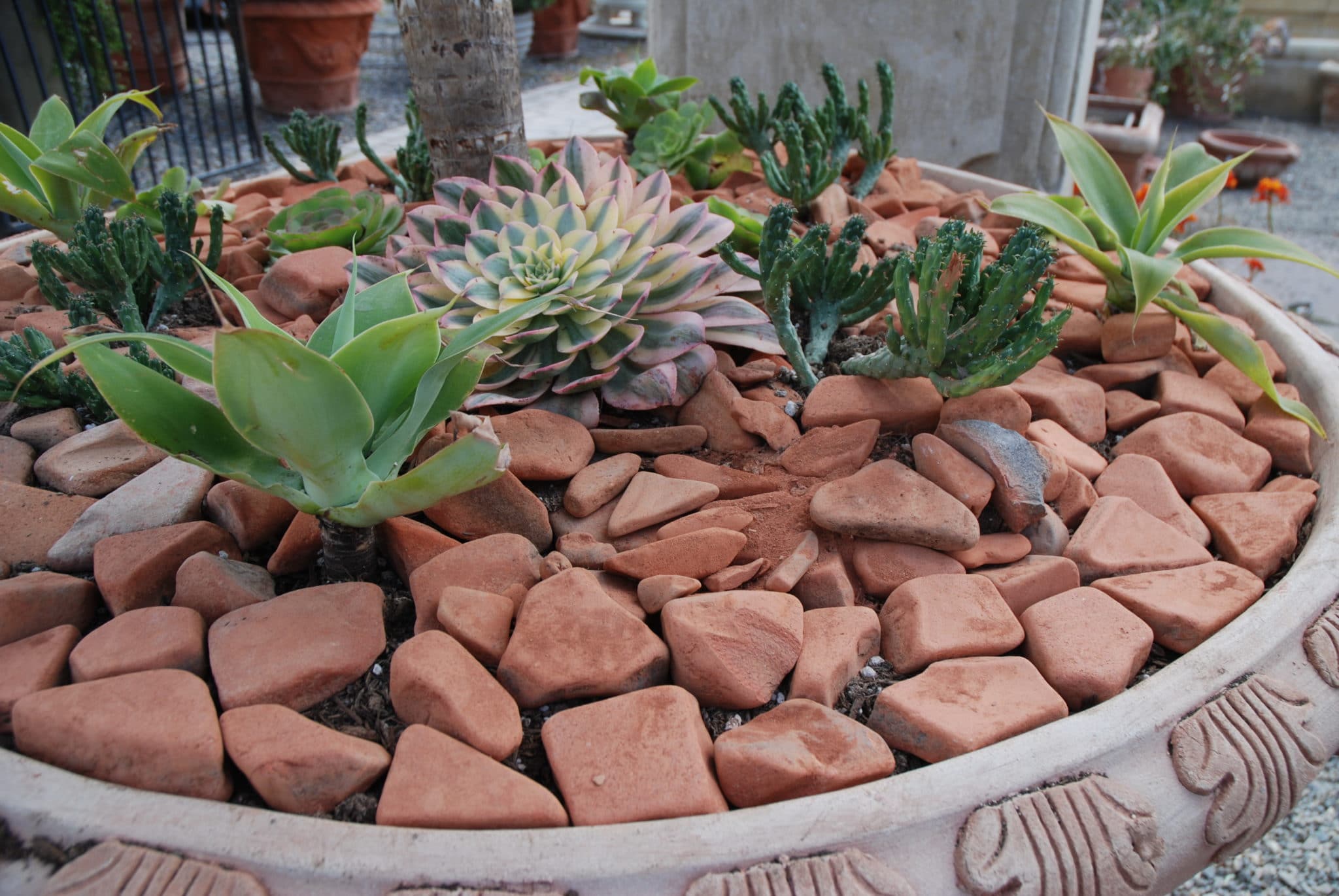
Top Your Pot with Tumbled Terracotta

Eye of the Day|Tumbled Terracotta Pot Topper|Baked Earth

TOP YOUR POT WITH TUMBLED TERRACOTTA

You have a beautiful citrus tree and a beautiful pot, together making a perfect statement piece, but maybe there’s something to make it even better from a design standpoint and for water conservation.

Design professionals typically use under-planting to finish the look of  a tree or tall plant in a pot.  They might use Alyssum,  Baby Tears, Lobelia,  Creeping Rosemary or any other trailing or low-growing plant.  During our current drought, we see more succulents being used, such as String of Bananas, String of Pearls,  Hens and Chicks or Sedum as under-planting and as a living mulch. You can see these same plants in action as part of our video: How to Convert a Fountain to a Succulent Garden. 

More recently, designers have moved beyond plants and have progressed to using tumbled glass in almost any color, moonstones and beach pebbles.  At Eye of the Day, we are ALL about terracotta, so we have developed a new “pot topper” which not only looks beautiful, but helps maintain and control soil moisture in the container while allowing the surface of the soil to breathe (VERY important to container health).

This new product is Tumbled Terracotta, produced from Italian terracotta fragments, tumbled to soften the edges.  Succulents, cactuses and aloes can also be planted between the pieces for a more carpeted effect further enhancing the design and beauty of container planting.

Our Tumbled Terracotta is available in pieces categorized into three sizes, small at $3 per pound, medium and large at $2 per pound.  The next time you visit Eye of the Day, we’ll show you how using Tumbled Terracotta Pot Toppers adds beauty and practicality to your container planting.


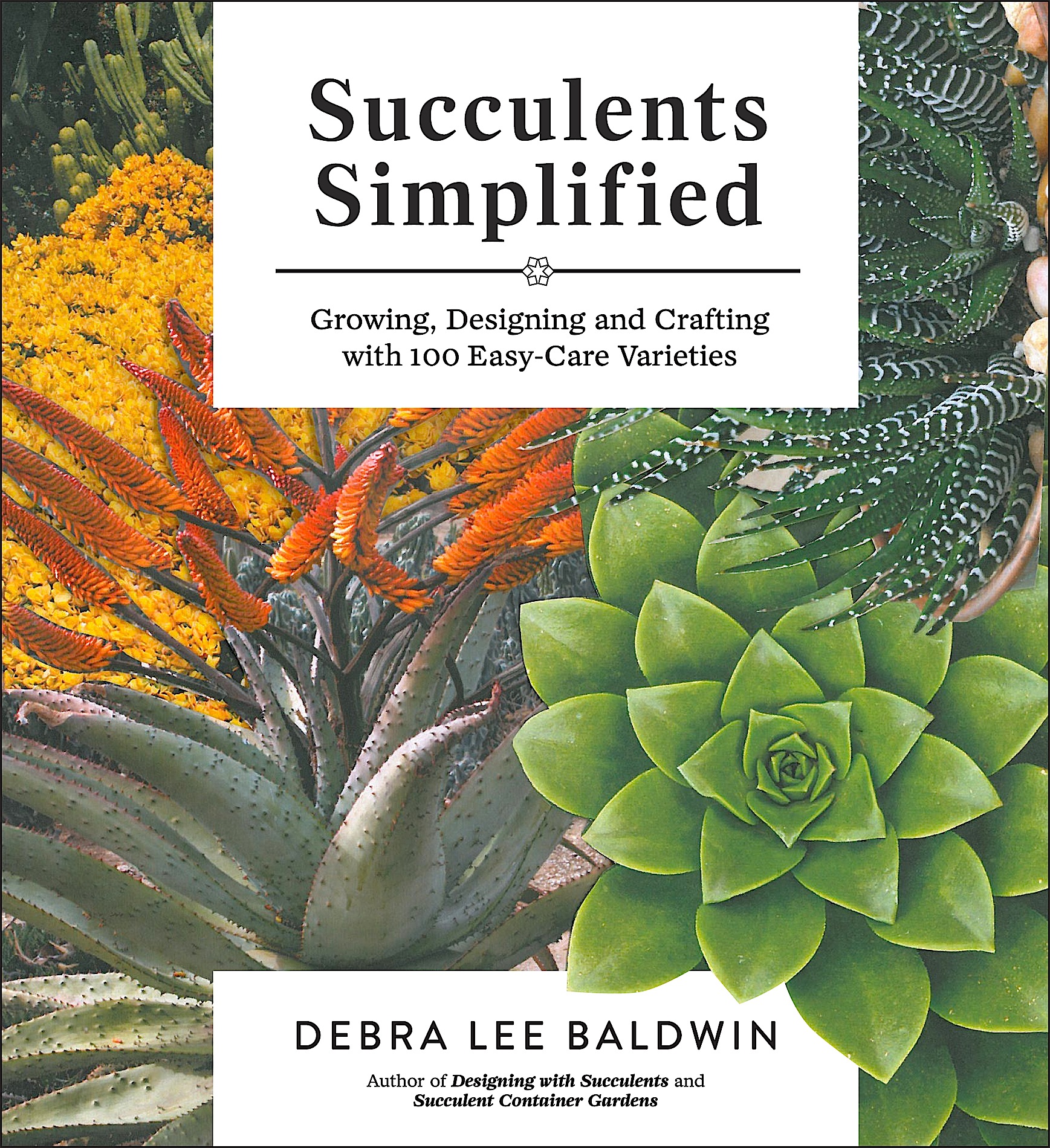
Book Review: Succulents Simplified by Debra Lee Baldwin

Eye of the Day|Succulents Simplified| Debra Lee Baldwin book review

SUCCULENTS SIMPLIFIED, Debra Lee Baldwin

I think we can all agree that succulents are hot. In California, hot can translate to Dry and Dry to Drought.  Which we have.  I also think that we all want green, living things around us and that in our present dry state, succulents and cacti can fill an ever-widening void for both landscape professionals and every day green lovers.

Debra Lee Baldwin is a notable expert on succulents and succulent gardening.  In her book, Succulents Simplified, Debra keeps it easy enough for someone taking their first stab at succulent gardening but interesting for any landscape professional.  With plenty of photographs and simple care instructions including recommendations for no water and low water plants, I can’t imagine why anyone wouldn’t need and want to take a long hard, look at this book and a long, hard look at the slowly browning lawn in front of their home.

In a perfectly friendly tone, Baldwin has included a page entitled “Good Riddance to Your Lawn”; we should all read this and begin to implement her ideas.  Succulents Simplified has inspiring sections like “Surreal Shapes, Testures and Patterns,” and “100 Easy Care Succulents” along with container and landscape projects, but my favorite section is entitled “Edible, Herbal and Illegal Succulents.”

About the Author:Eye of the Day|Debra Lee Baldwin| Succulents simplified book review
Debra Lee Baldwin specializes in showing how top floral and garden designers use dynamic, sculptural succulents in a wide variety of eye-catching applications. See more of her work at her website:

 Photo Credit: Debra Lee Baldwin and Timber Press (profile)


Flowers and Plants for a Drought Tolerant Garden

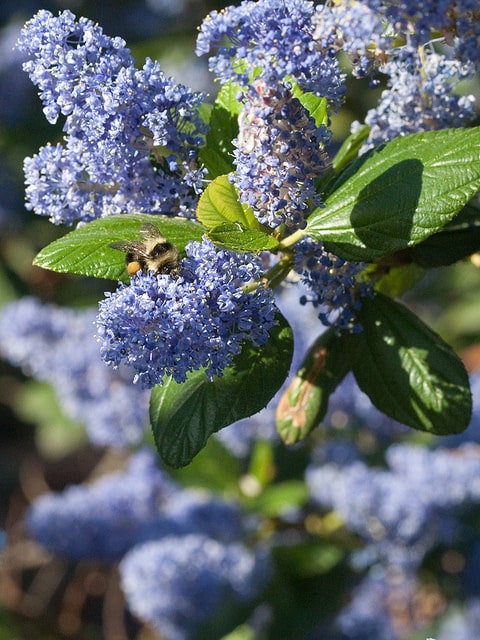
Eye of the Day|Verdure newsletter| wild lilac with bumblebee

Drought Concerns in the Garden

We are in a drought. And it may last for more than the short cycle of approximately seven years that has regularly occurred here in recent history. Some scientists are saying that this is part of a much larger cycle that could be one hundred to one hundred-fifty years in length (and let’s not even try to imagine how climate change will affect that). So, how do we keep our love of living, green things around us with much reduced water resources? One way is to look at the plants that have evolved in this habitat for many thousands of years. Native California plants are great choices for our modern gardens as are plants native to climate zones similar to ours.

Plant Options for Drought
Obvious choices for evergreen shrubs are Manzanita and Ceanothus. Both of these have been bred and selected for a variety of plant shapes and sizes. There are ground-hugging cultivars as well as tall and broad shapes to provide screening. Manzanitas have interesting bark as well as dainty, bell-shaped flowers. Ceanothus are often called California, or wild lilac, for the resemblance their flowers have to the cultivated lilacs our grandmothers grew. Consult a good garden guide or your local nursery for selections and specifics of each cultivar.

Mediterranean Plant Options for Drought
Other readily available options to replace thirsty plants during our dry spells hail from the Mediterranean region.  Some favorites include Echium candicans, Pride of Madeira, that covers itself with spires of tiny flowers in shades of blue and purple as well as Lion’s Tail, Leonotis leonuris, which bursts forth with sprays of brilliant orange blossoms from spring through fall.  And let’s not forget the many selections and species of rosemary and lavender that are ideally suited to our climate as well as their native zones.

Water for the Birds, Bees, and Bugs
One added perk for all of these native and non-natives is that they are quite attractive to bees, butterflies and other beneficial fauna that are seeking sustenance through this dry spell. So don’t be afraid to lose that thirsty garden and replace it with a verdant, more water thrifty landscape.