Fountain Conversion – Bringing Your Water Feature to Life

The Fountain Conversion – Bringing Your Water Feature to Life

FONT – FONTANA – FUENTE – FONTÄN – آبنما –噴泉 – FOUNTAIN

It is said that elephants are good luck because wherever you find them you find water and food.  Water fountains have become a necessity of life in our gardens: the sound, the reflection, the energy of water in our environment. The Chinese art or practice of feng shui is to create harmonious surroundings and water is an essential element. Natural surroundings balanced between wind, water, light and energy come together to create an environment of peace and serenity.

French Biot Fountain Conversion

This time of year, lying in bed on a balmy night, listening to the timpani of a running fountain is a luxury. When you wake and look out the window into the garden, what catches your eye? Is it the fresh bloom on the rose bush or the luxuriousness of a newly cut lawn or the sparkling water of your fountain? The perfect answer would be:  all three.

What is the main element to look for in your fountain?  Is it “visual”?

Think of your favorite fountain when you were a child. Suzi’s was the fountain at Griffith Park on Los Feliz Boulevard. Mine was the fountain at the corner of Wilshire Boulevard and Santa Monica Boulevard in Beverly Hills. At night, it was alive with colored lights. Built in 1931 and known as the Beverly Hills Electric Fountain.

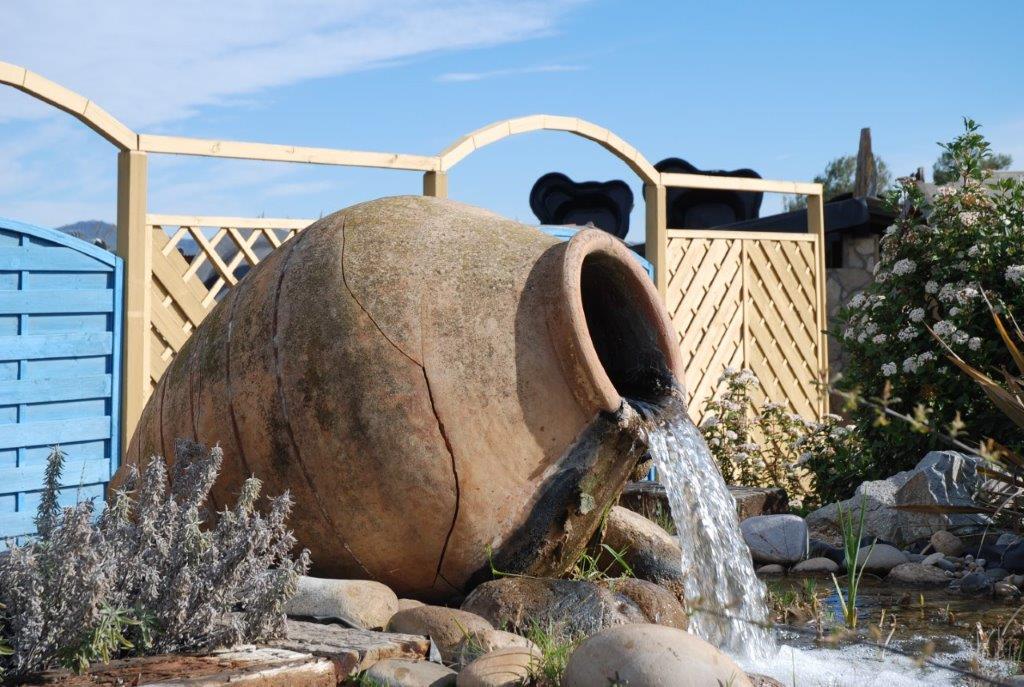
19th Century Spanish wine jar fountain conversion
19th Century Spanish wine jar fountain conversion found outside of Barcelona, Spain

19th Century Spanish wine jar fountain conversion
This fountain conversion makes a striking presence.

19th Century Spanish wine jar fountain conversion
A unique, one-of-a-kind water feature for the garden.

Another element is “sound”. From the roar of a natural waterfall to the zen-esque rhythm of a Japanese bamboo deer-scare fountain, as it fills, spills and then the hollow knock as it hits its rock.  From quiet to loud, hearing water move and splash, tumble and fall onto itself creates mood, energy and a powerful balm for the soul.

The third element is “form”, possibly the most subjective when choosing your fountain.

All fountains work the same: water circulates, rises and falls from its source and back. The physical form and structure of the fountain resists, shapes and redirects the water’s flow. There are tiered fountains that many describe as a wedding cake. There are wall fountains, structures with spouts directing the water to flow into a vessel or intermediate bowls and finally spilling into a pond or container to recirculate up and down again.

John Russo American Concrete Fountain Conversion
American Concrete Fountain Conversion against this home’s wall. PC: John Russo Photo

Sally Farnum Fountain Conversion Pasadena
A concrete fountain conversion using more traditional elements.

A vessel is defined as a hollow or concave utensil, as a cup, bowl, pitcher, or vase, used for holding liquids. At Eye of the Day we can convert almost any pot, container, urn, or vase in our inventory into a fountain. Fountain conversions have become a signature service and our reputation for making bespoke fountains for the projects of our clients and designers has led us to shipping them throughout the United States.

A fountain conversion can be performed on most any pot, allowing for hundreds if not thousands of choices. If you want a unique fountain for your space and don’t want one that looks like the one your neighbor has, think about choosing your own shape, color, design and then have us convert it into a fountain.

Our Gladding McBean 88-33 is a simple pot; a sleek, high fired and colorful urn perfect for a fountain conversion.  We create a water-tight seal at the bottom and attach a copper riser to carry the water to the top and create a head.

Fountains GMB 88 Conversions
Our most popular fountain conversion is the GMB88-33 Oil Jar

The “head” is the water that bubbles above the waterline at the top of the pot and creates the reflection, motion and sound when its falls back upon itself. As the vessel fills to the brim, it will spill over the pot and fall back to the basin and be recirculated back to the top forever and ever (as long as you keep the basin full).

The basin, which we refer to most often as the “pond” can sit above grade or below. It is very popular to hide the basin below grade and then cover it with rocks or pebbles or tumbled glass, giving the appearance of an eternal spring, its source hidden and mysterious as if it emanates from the earth.

Fountain Conversion Rebecca Sweet garden design
A Greek terracotta fountain conversion that hides the basin with ground cover. PC: Harmony in the Garden

The pump is housed in this pond or basin and its electric cord either comes out underneath the basin/pond or over its side where it can be obscured with stones or other ground cover. Always remember to keep a couple of inches of the basin above grade so that when it rains, dirt and debris can’t wash into it and compromise the pump.

Your container must be prepared to hold water and have water run over all surfaces continuously for a long period of time.  There are many quality products on the market to seal and waterproof your fountain. You can use any larger container to act as your basin, it doesn’t have to be concrete or something special. I once had a client who took a heavy-duty trash can and cut it down to 12 inches and buried it in the ground.

Custom Colored Italian Terracotta Fountain Conversion
Custom Colored Italian Terracotta Fountain Conversion. Pump house hidden beneath.

In addition to the vessel to be made into your fountain and the basin for it to sit in, you will need a “pump house”.  This is exactly what it sounds like: a house for your pump. In addition to hiding the pump from view, the pump house has another purpose, to act as a pedestal for your fountain vessel to sit on and it must be strong and stable enough to carry the fountain’s weight.

Converting pottery to fountains is easy and everything to complete the job can be purchased from your local hardware store. The one thing you might want to spend time searching for is that perfect vessel.

Another type of fountain conversion has the water returning inside of the vessel. This eliminates the need for a basin/pond and the pump house, eliminating the cost of these two additional items and the same container will fit into an even smaller space.

Terracotta Low Bowl Fountain Conversion
Italian Terracotta Low Bowl Fountain Conversion that returns water inside the vessel.

There is very little splash if the water is kept at a lower level within the container.  Also, the sound will resonate at different pitches depending on how full you keep the vessel. Just think of a wine glass being tapped with a knife.

Other ideas for Fountain Conversions:

  • Rectangular troughs
  • Low Bowls
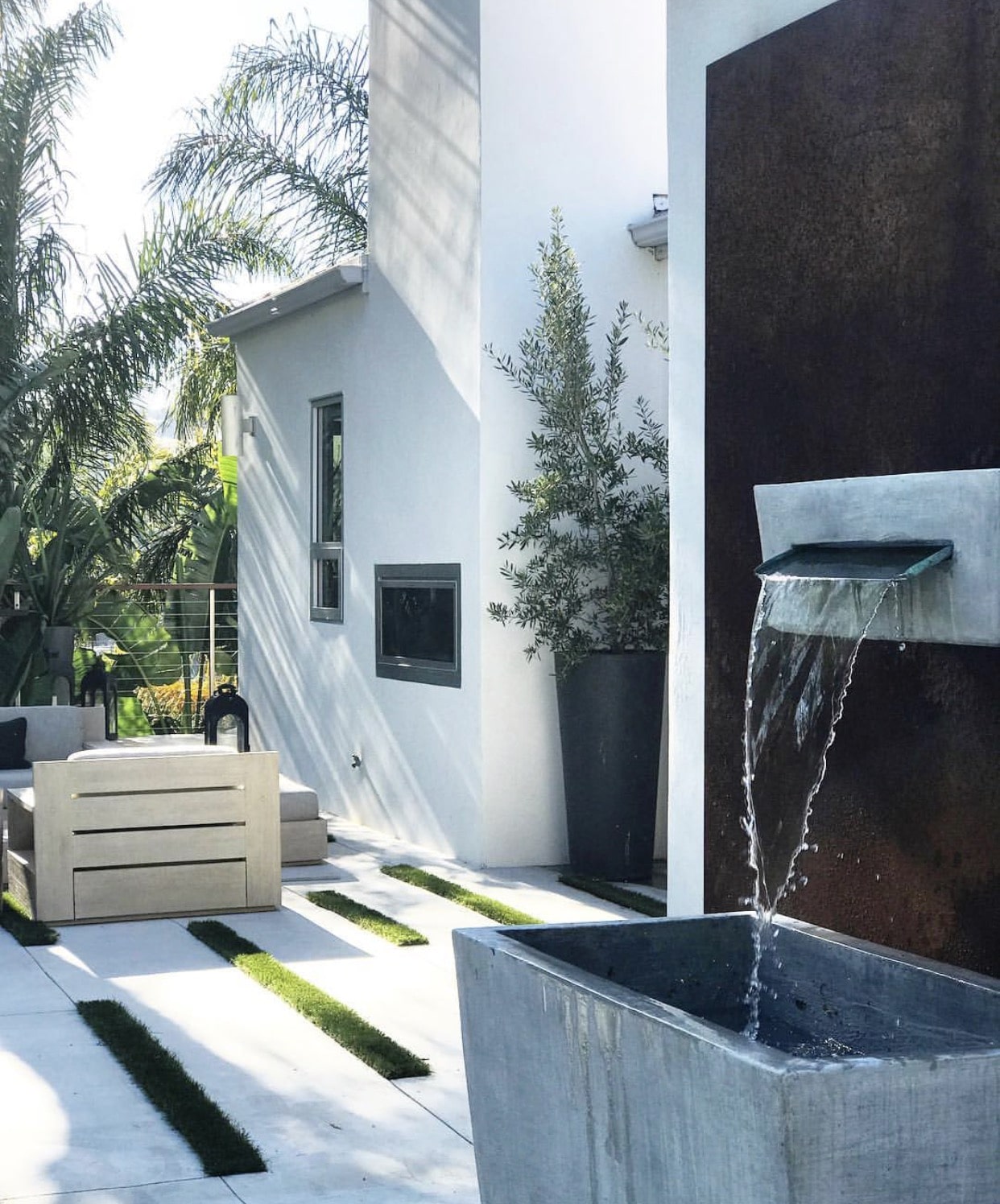
  • Turning a wall into a fountain
  • Old Stones 


    French Limestone Fountain with Flowers
    French Limestone Fountain

    French Biot Fountain Conversion
    French Biot Fountain Conversion


Materials Needed:

  1. Vessel of your choice
  2. Basin/Pond to fit underneath and wide enough diameter to catch as much splash as possible.
  3. PVC or copper tubing for riser.
  4. Pump house large and sturdy enough to enclose your pump and carry the weight of your vessel filled with water.
  5. Water pump strong enough to pump water to top of your pot

Let your imagination be your guide and create a unique fountain for your space from almost any water worthy vessel.  Please come see our incredible selection of pots and containers as well as old European stone troughs, millstones and other garden art here at Eye of the Day.

We will bring your vision to life!

Top 5 Fountain Conversions

American Concrete - Fountain Conversions

Top 5 Fountain Conversions

Fountain conversions have become a signature service of Eye of the Day. Spring and Summer is the time to order this popular water feature. From classic shapes to more contemporary forms, fountain conversions are an elegant addition to any garden design. Depending on the style and aesthetic of the garden, the conversion process starts with choosing a container. Almost any vessel at Eye of the Day can be converted, but there are definite favorites at the store. We rank the top five fountain conversions that homeowners and designers love.

5. French Terracotta Fountain Conversions

While not as common a choice for a fountain conversion, French Anduze pots and biots are an elegant option for a water feature. We recommend sealing for this type of terracotta, especially to protect the glaze,

4. Concrete Fountain Conversions

Our American made concrete pots are the ideal containers for both contemporary and traditional styles. These water features can be made up of different concrete garden décor pieces from birdbaths and urns, to ponds and containers.


This custom feature uses a concrete birdbath set into a pond based on an English garden the clients loved while visiting England.


This design used two American made concrete pots for the conversion. A custom insert was used for the flat spout.


3. Greek Terracotta Fountain Conversions

Here in California, Mediterranean style gardens are popular throughout the state. With sunshine filled days, proximity to the ocean, and lush plant life, our similar climates are the ideal foundation for a Mediterranean garden. Our Greek line of terracotta pottery is a popular option for containers and fountain conversions.

The Michalis pot fountain conversion was a popular design for Bay Area designer, Rebecca Sweet. Its classic shape was perfect for the Mediterranean garden design of her Palo Alto clients.

2. Italian Terracotta Fountain Conversions

Eye of the Day specializes in Italian terracotta pottery. Naturally, many clients and designers choose an Italian terra cotta pot as the vessel for their fountain conversion. We carry classic, ornate, and contemporary styles.

1. Gladding McBean Oil Jar Fountain Conversions

This is the most popular fountain conversion we do—and with good reason. The classic oil jar shape is a favorite among customers and as a water feature, it becomes a striking focal point in the home or garden. Available in a variety of colorful glazed finishes from Gladding McBean, both traditional and modern designs can incorporate this oil jar fountain conversion. The GMB88-33 is the most popular, but the GMB45 with the narrow neck is a lovely option as well.

Get inspired with the pottery and containers from Eye of the Day for your next garden design project. Contact us today to learn more about fountain conversions.


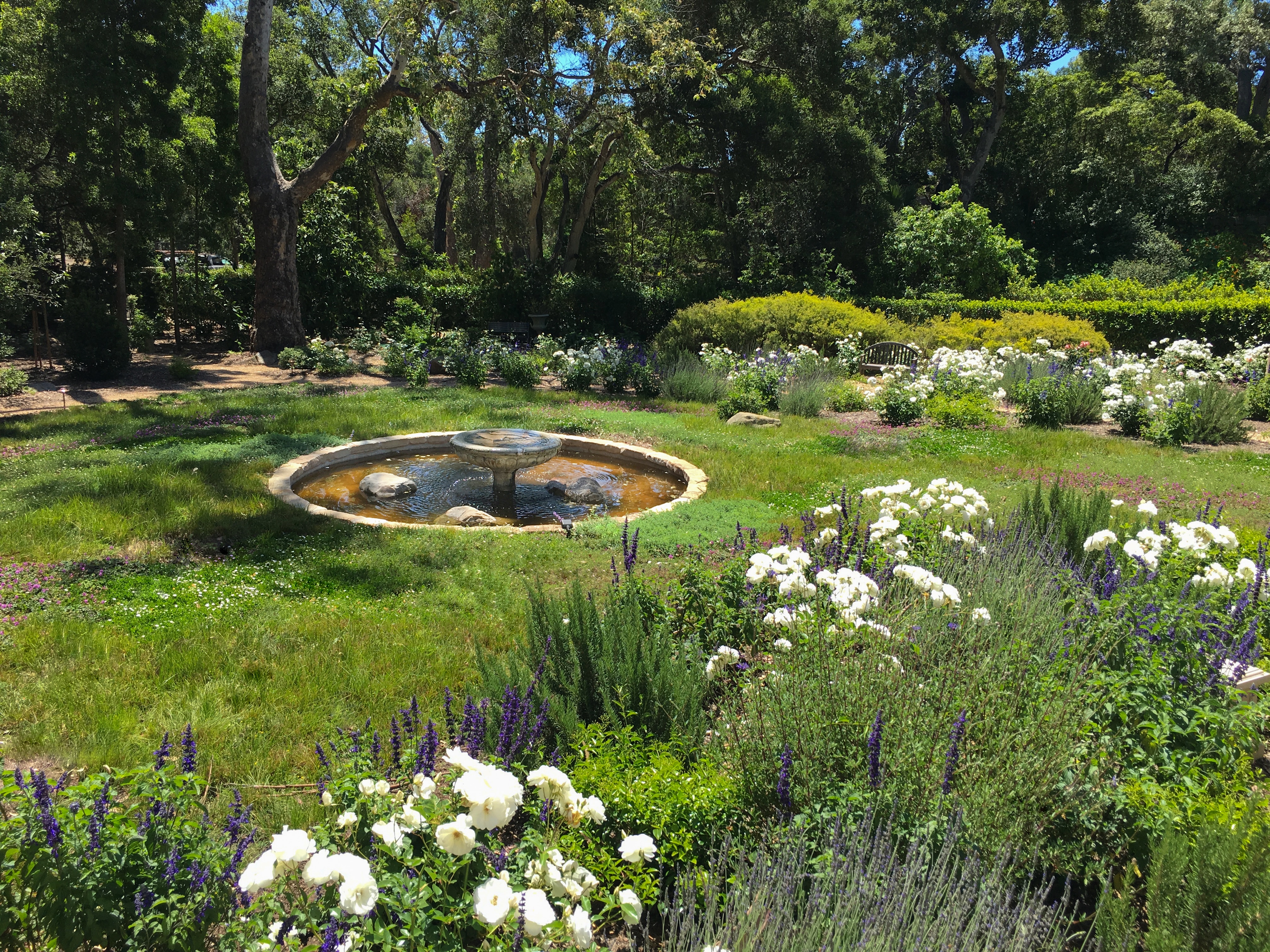
Montecito Landscape Garden Design – The Cullen Meadow

Garden Design | Montecito Landscape | Cullen Meadow

Montecito Landscape Garden Design – The Cullen Meadow

Lisa and Chris Cullen of Montecito Landscape are long time customers of Eye of the Day. We feature one of their recent designs as they transform a large lawn to a walking garden with a central water feature using a custom Eye of the Day fountain conversion.


Garden Design | Montecito Landscape | Cullen Meadow

Tell us a little about Montecito Landscape and this project. 

Montecito Landscape is celebrating 47 years of creating gardens in Montecito and beyond this month! We are a small, boutique company specializing in landscape design and installation. This particular project is one of our favorites. The client was very involved in the development of the design and she trusted us when we presented an out-of-the ordinary idea.

What was your client’s goal for this garden?

The area was a huge, dead lawn and with the drought and water restrictions it was going to be difficult if they wanted to keep it looking good. They wanted something drought tolerant but beautiful and interesting. Initially, the client wanted lawn, but we wanted to do something completely different from the norm. They trusted our vision and agreed to go along.

What was your initial vision for the landscape?

We wanted to eliminate the lawn all together and create a “walking garden” providing destinations that would invite meandering and discovering. We also wanted to take advantage of the outer perimeter of the property by removing the Pittosporum hedges that were cutting off what became “the forest” from the rest of the property. We created pathways and destinations in this area that connected to the main garden, so that one could enjoy it from every vantage point.

Our innovation was “The Cullen Meadow” which is a drought tolerant alternative to lawn. The “meadow” consists of drought tolerant, flowering plants such as Santa Barbara daisy, Nepeta, Carex and others that can be walked on and mowed like a lawn, but that needs only occasional maintenance. Plus, it is way more interesting than a lawn!

The idea for the central pond came from the client when she sent us a photo of one she saw in England. The minute we saw it, we knew this was exactly what this garden needed. We also needed a fountain to mitigate the noise from the street and the pond created the perfect way of integrating a water feature into the design.


Were there any unique problems that came up during the design or installation?

Working out how to make the “Cullen Meadow” something that could be used as a lawn and how to lessen the street sounds and visual distraction of cars going by without blocking the distant views.


What would you describe as your garden design aesthetic and how do you work with your client’s own vision for the landscape?

We work with Nature not against her. We design gardens that are cohesive from conception to the finished product. A garden should flow, it should “feel right”. They should have a theme, a vibe and a sense of place. Our designs take the entire property into account, taking advantage of the unique qualities and features of that specific property. We begin by looking at what makes the space special, what are the assets and work out how we can use those features to their best advantage. We also believe that drought tolerant gardens can be beautiful. They can have roses, camellias and even hydrangeas if planted in the appropriate location and using correct gardening technique.

We love to collaborate with the client. We spend time with them, driving around if needed, pointing out various gardens so that we can tune into their specific aesthetic and discover exactly how they envision using the garden. We want our clients to get out and be in their gardens so we design for the individual. Gardens are for living and we know we have been successful when we hear how much our clients love their new landscapes.


For the garden décor, why these pieces?

The fountain needed to be simple and the correct scale if it was to work in the pond. The pond is 15 feet across and is the main feature of the landscape design, so the fountain needed to be perfect. Brent Freitas at Eye of the Day helped us in selecting the exact right fountain and we (and the client) are very happy with the result.

What was your favorite part of this project and design?

The central pond, fountain and the “meadow” are what make this garden so special. We knew the house and the location deserved something special and I think we succeeded. I love water features, ponds, and fountains and believe that every garden needs one or two for the visual and musical sound aesthetic. Fountains and water features can be “tuned” to fit the type of effect you are trying to create. And fountains are not just for aesthetic reasons! A fountain brings birds and bees to a garden and we all know how important the birds and the bees are!


Visit Montecito Landscape to view more of their work.


Montecito Landscape Refine a Santa Barbara Garden

Eye of the Day|Montecito Landscape|Garden Carpinteria Design
Blueprint: Montecito Landscape Refine a Santa Barbara Garden

Chris Cullen, the founder of Montecito Landscape, began landscaping at the tender age of eight at his family home in Los Altos Hills, CA. He got his contractor’s license in 1970 and moved to Montecito and named his company after his new home town.

Since then, Montecito Landscape has specialized in design and installation of residential landscapes. Chris has created some of the mainstays of the “Montecito Landscape” that are part of the image we see when we think of Montecito. For example, he was responsible for the creation of original landscaping at Ennisbrook (on Sheffield Road) adding the double line of Stone Pines that line the walking paths through the west end and choosing the specific type of trees planted at the entrance to match the plaster wall of the original construction (the plaster color was later changed, but the trees still remain).

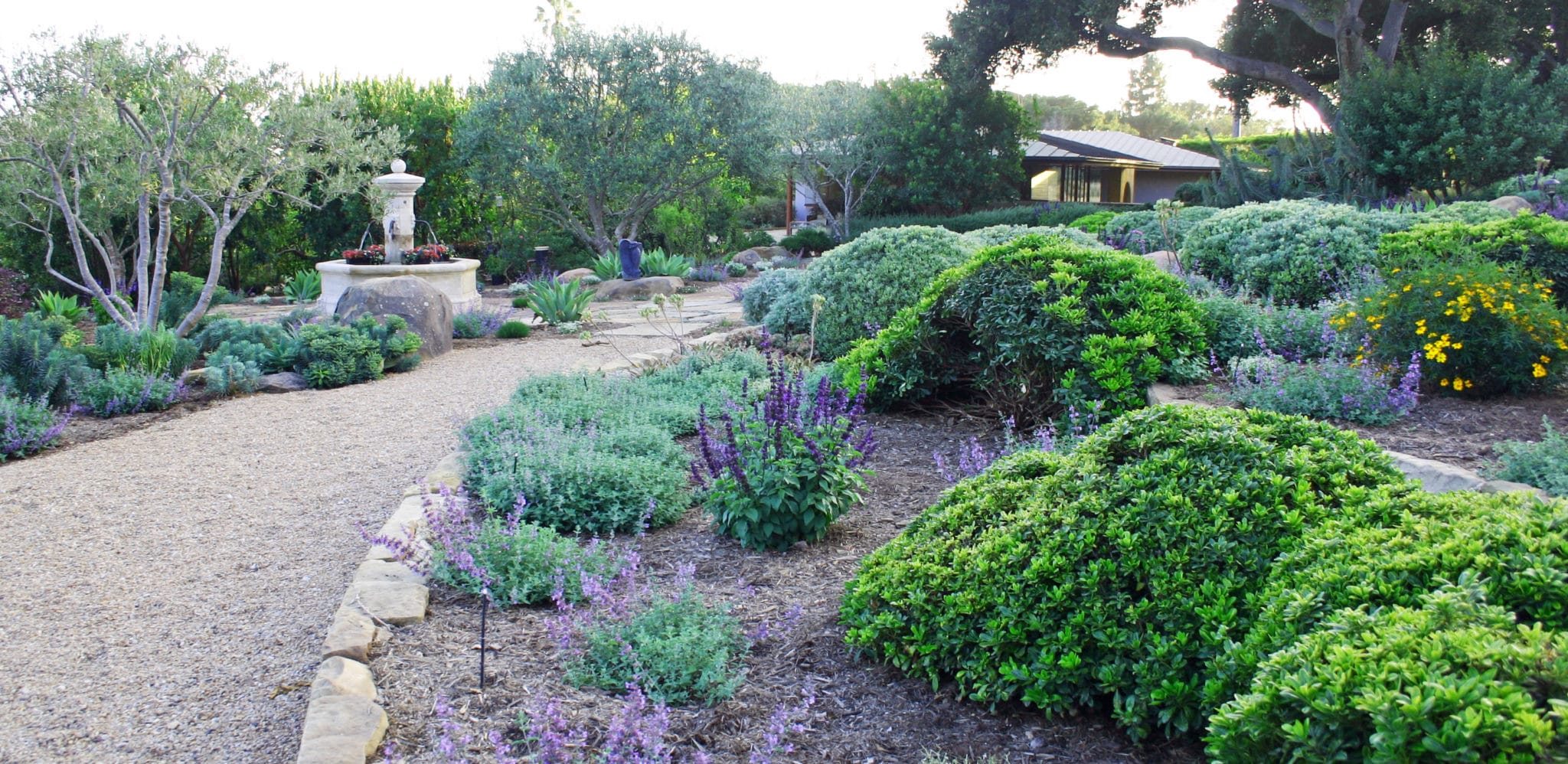
One of Chris and Lisa’s newest projects is a Santa Barbara home. The property had “good bones” but needed refinement. There were a number of unattractive hedges that blocked the beautiful vistas and made it feel hemmed in. The home is a work of art in itself with its simple, modern design and the way it is nestled into the property gives it the sense that it is a work of nature. Their job was to enhance the organic feel of the house and property while creating some space both visually and literally.

Consistent with Montecito Landscape’s garden design philosophy, they first isolate, and then focus on bringing out the best features of a property. Their feeling that each location is as different as each client helps them to approach every new project “intending to help the client see and appreciate their assets and then work with them to discover what it is they need and want.” It then becomes a focus to fulfill the clients’ dreams in such a way that uses their home and property’s intrinsic beauty in unexpected and surprising ways. The goal is to use the entire property in the “picture”, creating “negative space” in a three dimensional design.

When determining exactly what needed to be done when working on this project and how to fulfill what the client wanted, the Cullens knew that something about the landscape “wasn’t quite right” but they couldn’t identify it themselves. “In fact most of our clients know what they want and know when something works and when it doesn’t. What they don’t know is how fix it. That’s where we come in. This garden already had a drought tolerant theme, however many of the plantings were just not working; they were kind of ‘clunky.’ We suggested the addition of brightness and light to the scene, so that is what we did. With the addition of Euphorbia, Mexican Sage, Nepeta, Santa Barbara Daisy, Santolina and others we were able to add color and softness. When there is a lot of hardscape, as there was in this landscape, we wanted some softness as a counterpoint.”

When it came to adding garden décor “the client knew they wanted a water feature as a focal point and so of course, we sent them to Eye of the Day. With Brent’s help they found exactly what they were looking for. It then became our job to incorporate the fountain into the landscape in such a way that it seemed as if it were always there. This is our goal, then, when we utilize garden décor, fountains, sculpture, etc. it should feel as it belongs.”

For Chris and Lisa, “It is always a pleasure to create a beautiful ‘picture’ in the landscape; it’s why we do what we do. We live for the creation of aesthetics. The pleasure comes in working with the client to give them a garden they will use and enjoy for years to come. This project was no different. We loved collaborating with this particular couple because they were very involved and they love to work in their garden.”

Eye of the Day|Montecito Landscape|Garden Carpinteria Design

See more of Chris and Lisa Cullen’s work at Montecito Landscape.


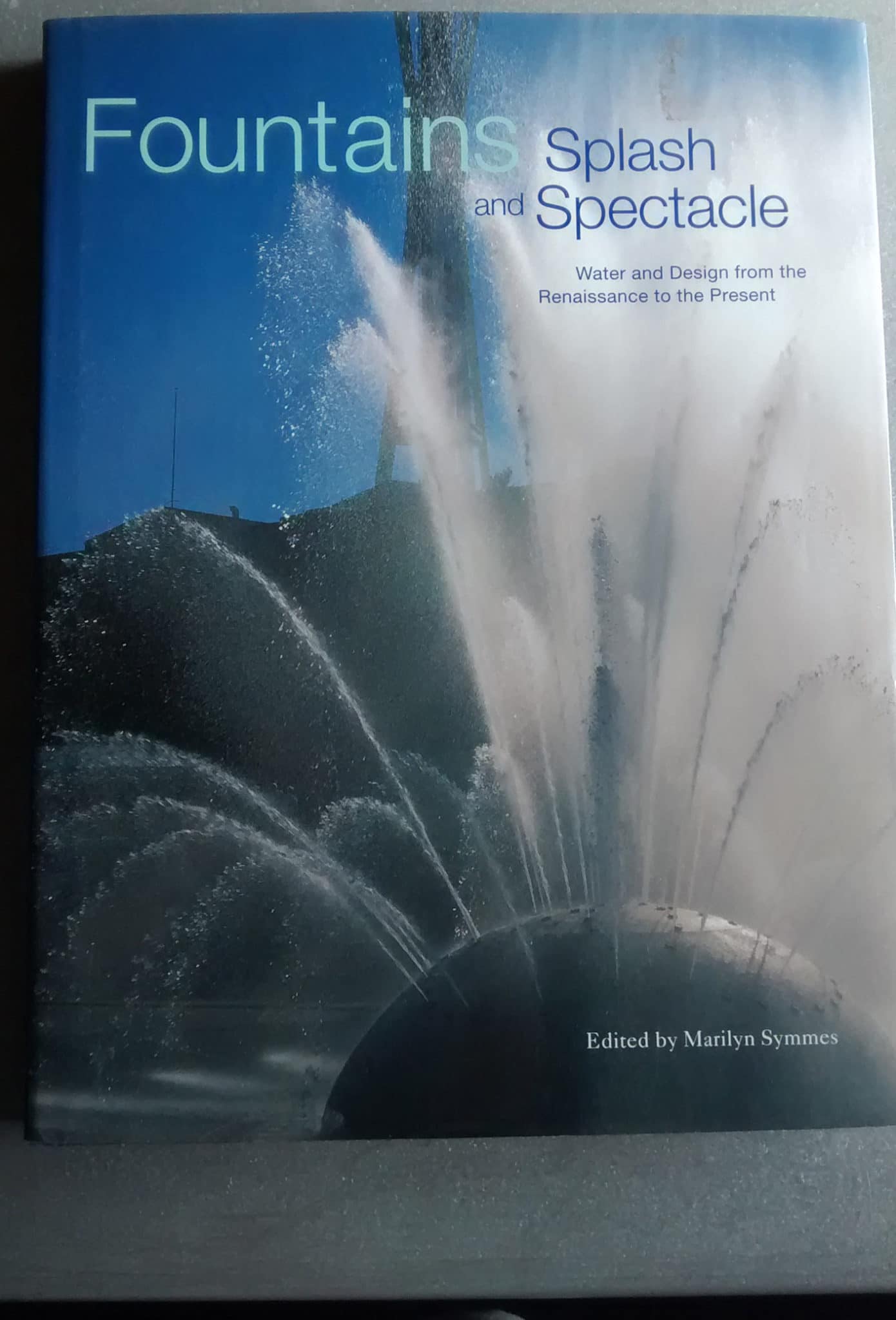
Book Review: Fountains – Splash and Spectacle

Eye of the Day Garden Design Center| Fountains Splash and Spectacle| Fountains

FOUNTAIN AS MUSE

Sunday morning.  Outside the bank of our bedroom windows, the fountain’s splash and play completely encompass the peacefulness of home.  Our shy friend, a tiny iridescent green hummingbird is curiously eyeing the droplets arcing into the air. Especially while we are all thinking about water problems in California, enjoying a few moments with the sound, sight and spray of our fountain is almost intoxicating.

Throughout the years we have consistently added to Eye of the Day’s library of books pertaining to gardening, fountains, pottery, terracotta and European antiques. While I was mesmerized by the muse of my fountain, I remembered a book I found for Brent a few years ago:  Fountains Splash and spectacle: Water and Design from the Renaissance to the Present edited by Marilyn Symmes. The book traces the history of fountains throughout the world from the renovations of ancient Roman aqueducts to choreographed, computer controlled displays combining light, music, and fireworks.

Photographs, paintings, illustrations, etchings and drawings are so plentiful and varied that even if you only pick up the book to see them you’ll be drawn into reading a few paragraphs like this one:

Water possesses almost magical qualities.  A spraying fire hydrant can transform a sweltering city street into a temporary oasis, offering neighborhood children a showery playground as welcome relief—from the dry, hard pavement…the sound of moving water—sometimes a roar, at other times a whisper–breaks the stillness and can provide an aural refreshment on a warm day.

The last photo in the book is the best possible illustration of this paragraph.

Though our water problems have no foreseeable end and we may need to regulate the use of our fountains, the birds, bees and butterflies not only enjoy, but need water to survive and even a few hours a day provide a magical quality.  And that’s not just for animals, but for those of us staring out the window on a Sunday morning as well.


Fountains: Splash and Spectacle – Water and Design from the Renaissance to the Present. Edited by Marilyn Symmes. The Smithsonian Institution, 1998.