Poor Conditions? Grow Tomatoes in Pots

tomatogrowers.com

Summer to me means juicy ripe tomatoes (corn and squash also make the menu often, as well). Finally, after months of insipid, tasteless impersonators, there are flavorful, luscious orbs in many shades of green, yellow and red to eat out of hand or include in salads and salsas. Growing up in the central valley of California, tomatoes were easy and plentiful. Both my dad and grandpa had prolific gardens; the days were long, the weather warm to hot and the soil rich and fertile. Just the right conditions for success.

I am not so lucky. I live just a mile from the coast and under a very shady oak tree. Not only does the oak steal the sun, its roots suck up all the moisture and nutrients present in the soil of my small garden plot. So, I have resorted to growing my tomatoes in pots. I plant them in large containers with all the nutrients and drainage they require and place them in the sunniest spot I have.

Choosing the Right Plants

Some years, I’ve started seeds of interesting or heirloom varieties. Some years, I buy already sturdy plants from local nurseries or home improvement centers. One of the characters to look for in choosing tomatoes for containers is the word “determinate.” Some tomatoes just want to keep growing and growing (like the vines some of their ancestors are). These are called “indeterminate” and are less well suited for container culture. The determinate selections have a genetic set-point that limits their ultimate size. They may still require some support, especially as they start bearing those juicy fruits, so provide a tomato cage or sturdy stake when planting to keep them upright.

Consider the Varieties

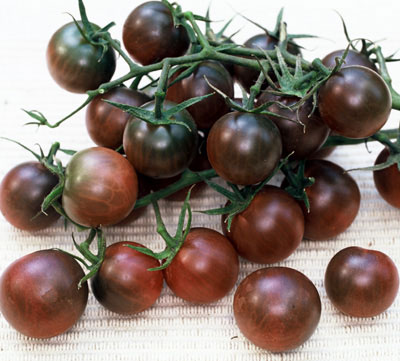
Eat Black Cherry tomatoes like candy. Yum!

The scope of varieties is huge, both in size, color and texture. There are those designated as cherry tomatoes (some of the sweetest), perfect, one-serving patio tomatoes and big, beefy tomatoes suitable for accompanying grilled meats at the cookout. Whichever you choose, tomatoes can thrive happily in a planter if your garden plot is less than ideal (like mine). Now is the time to search out your favorites and get them started for those summer feasts. Browse  for an introduction to the wonderful world of tomatoes.

Bring Water Lilies Home

Eye of the Day Garden Design Center

Eye of the Day Garden Design CenterMaybe you’ve had this experience: you are having a lovely picnic at Alice Keck Park Memorial Garden. Or, you are visiting one of the world-class botanic gardens around the country or the world. You stop by the pond to admire the lovely water lilies, the turtles that have crawled out to sun themselves on the shore, and the colorful koi moving in lazy patterns underwater. It all seems far away and idyllic, but what would it be like to get closer?

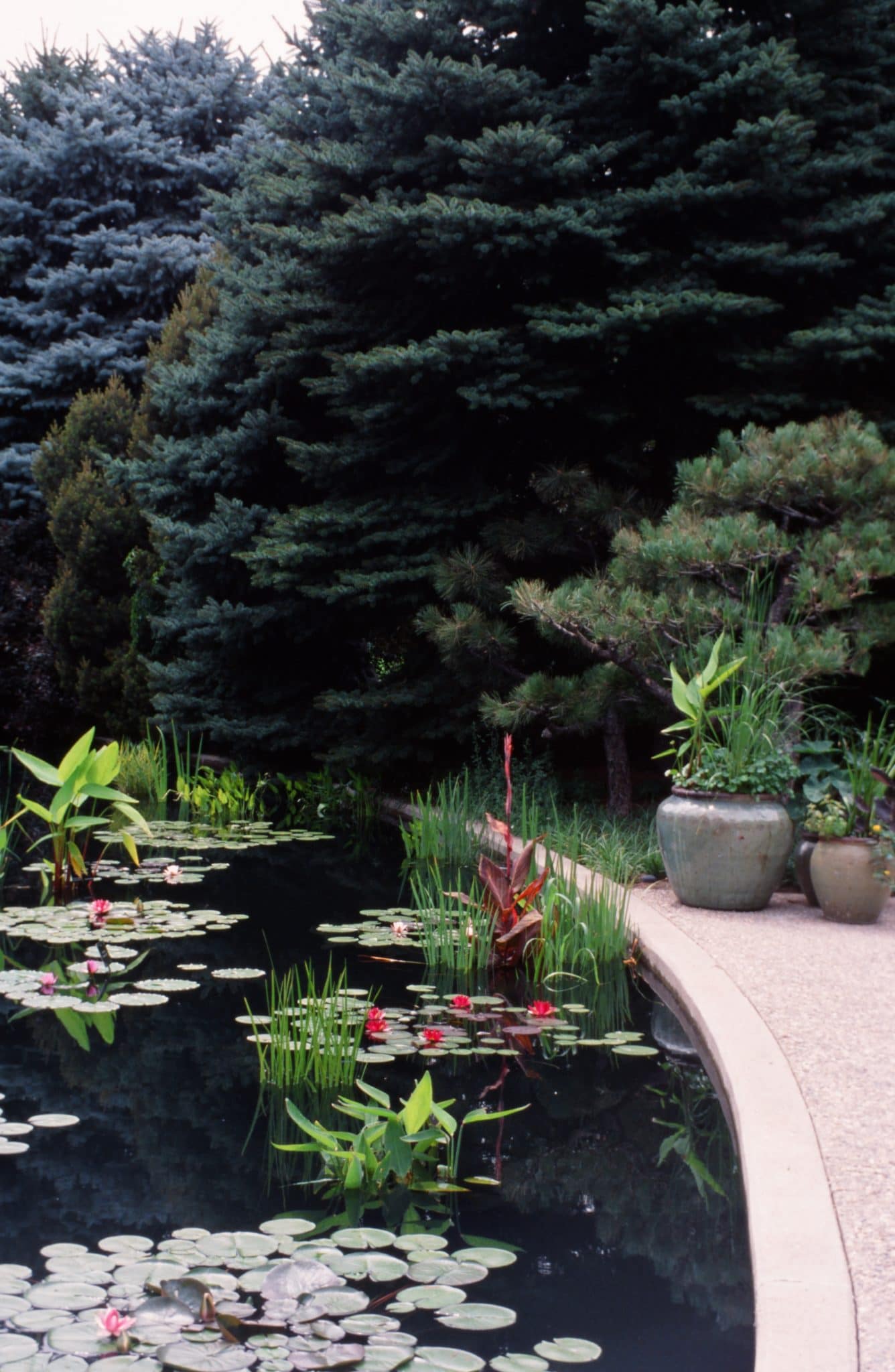
One way to do that (short of wading in and upsetting all of the creatures in the pond) is to grow a water lily (or two) in a smaller, above-ground container. In a container garden, the intricate and beautiful, even sometimes-fragrant flowers are within nose reach. You may not want to try turtles or koi, but aquatic plants, including water lilies, are very well suited to such confined quarters.

Eye of the Day Garden Design CenterWater lilies are unique plants and quite ancient in origin. Their showy flowers come in many colors and float on the surface of the water along with glossy orbicular leaves. There are hardy water lilies that go dormant in winter in temperate zones and tropicals that prefer to grow year-round in warmer climes. The tropical water lilies will perform wonderfully in cooler climates, but may have to be treated as annuals there.

Water lilies do grow in soil, so planting one in a container requires that a durable pot be prepared for them. The first rule of growing aquatic plants is to provide a growing medium free of organic material. I know that seems to go against all of our gardening instincts, but the root zone of aquatic plants is quite anaerobic, meaning that the bacteria (and other microorganisms living there) use other pathways in the decomposition of organics that can result in smelly and even toxic conditions. Nice clay soil, even sand, will support their roots and not contribute to other noxious problems.

Most water lilies require about 10 to 12 inches of soil in their growing pot and another 10 to 20 inches of water over the surface of the soil, although there are a few dwarf varieties that will bloom in far less space. Shop for them online and read the descriptions of their size and growth pattern to determine what size container will be best. The decorative outer planter will need to be water tight, of course, and many will be fired with an impervious glaze. Other choices are porous clay or concrete pots, which can be sealed. If the container already has drainage holes, they can be plugged to provide the perfect mini-water garden. Be sure to add a few mosquito-eating fish to complete your mini-ecosystem.


Container Gardening During Drought

Eye of the Day garden Design Center

Best Practices for Container Gardening During a Drought

Those of us who garden have seen the effects of the lack of rain, and enjoying our gardens is going to take more work. Longtime Californians have already experienced this kind of shortage and we know the drill. You turn on your shower in the morning, you grab a handy bucket kept nearby to catch those first 60 seconds of cold water you wouldn’t dare step foot in. Later, you carry that bucket outdoors and hand-water your beds, borders and trees, or maybe just one bed depending on the size and fullness of your bucket. This becomes a daily tradition.

If this seems far-fetched, consider that the politicos and water managers have finally weighed in and declared that we are actually in a drought. Not just a minor water shortage, but a state of extreme drought. Now we are not just encouraged, but, in some areas mandated to reduce water usage immediately.

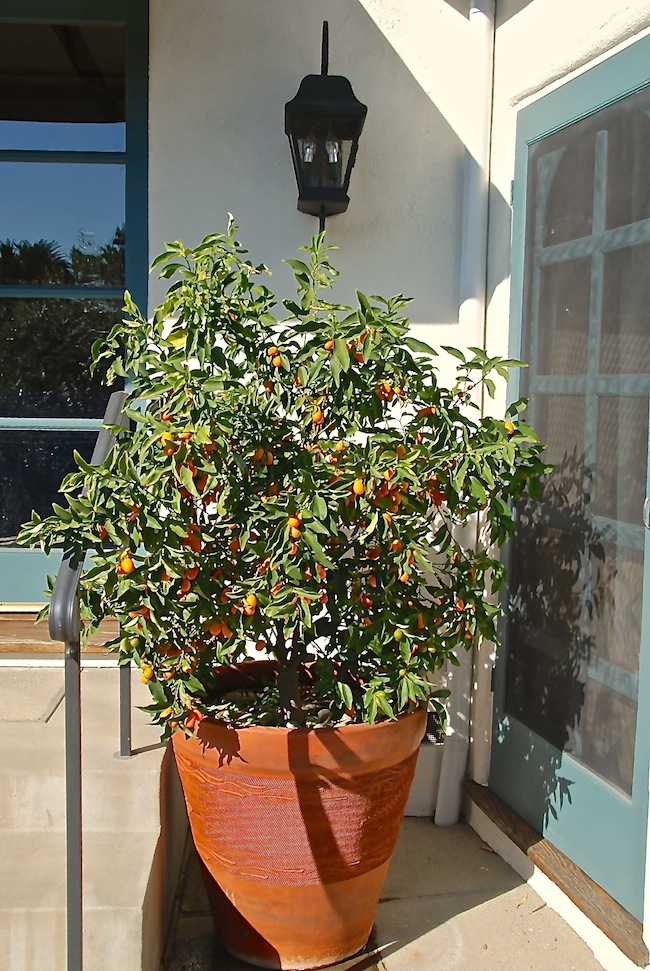
Eye of the Day garden Design CenterOne solution to having handsome specimen plants to adorn our outdoor living spaces is to plant them in containers. Planters are small, “contained” gardens after all. Everything from our favorite tropical plants like cannas and palms to flowering and fruiting trees and shrubs like citrus and even camellias can be grown in containers. When planting in a pot you can tailor the soil mix to maximize water absorption and retention and closely monitor just how much water is needed and used.

While I still encourage you to keep that bucket handy in the bathroom, you have other options with containers, such as low-flow and efficient drip irrigation systems. Take this opportunity to embrace the world of container gardening and do your part to conserve our most precious resource, water. And check back here for lots of specific tips on growing your favorites from ornamentals to herbs and vegetables, even a mini water garden. Also, look for future posts that will teach you how to choose the right container for your needs and tailor the soil for the plants you want to grow.