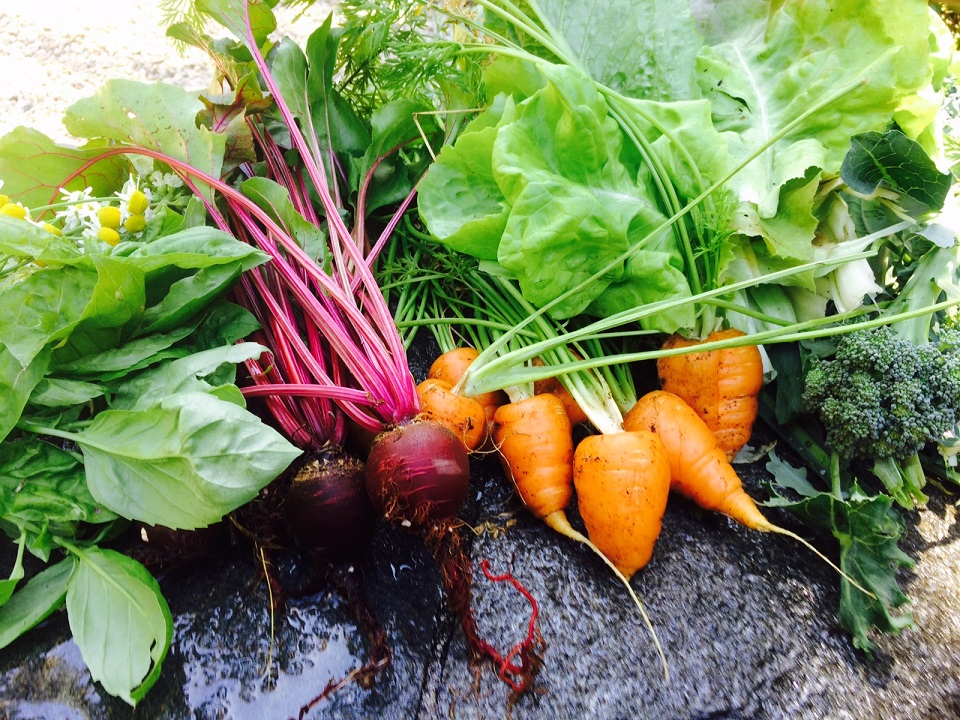
Change in the Garden: What To Plant in the Fall Garden
It’s that time of year where the weather gets a little cooler, we get some rain (maybe less in California), and changes are made in the garden. Eye of the Day interviews some plant experts on their Fall favorite plantings and best tips for the garden.
Alison Walker, a Texas native who recently moved to California, has worked with plants and nurseries for over six years. She is excited to be living in a cooler climate and to get to plant all her recommendations below.
What to Plant:
Herbs:
- Cilantro
- Chamomile
- Lemon Balm
- Mints
- Parsley
- French Tarragon
Veggies:
- Cabbages
- Lettuces
- Carrots
- Brussels Sprouts
- Kohlrabi
- Turnips
- Kale
Edible Blooms:
- Purslane
- Nasturtiums
- Oxalis
- Calendula
Evergreens:
- Lavender
- Rosemary
- Sages
- Thyme
Regular Garden Maintenance:
- Add and Remove plants per climate requirements
- Prune blooms and harvest bigger leaves on plants like Basil
- Plant or deadhead Marigolds to act as deterrent for bugs
- Fertilize, compost, and mulch as necessary
- Replace and refresh any leggy leaves
Mimi Richardson is our resident succulent expert but grew up around all types of plants. She has worked at nurseries across the central coast. These are here tips for your Fall garden.
What to Plant:
Grasses:
- Fountain Grass
- Mondo
- Carex
Blooming Plants
- Coprosma
- Easter Lily
- Cotoneaster
- Gazania
- Strawflower
- Proteas
Other Recommendations:
- You can be more hands off in the garden at this time of year
- No Fruit Trees
- Succulents are always a good idea
- Have fun with fall containers and arrangements with:
- Pumpkins, Warted Pumpkins
- Artichokes
- Oranges
- Decorative Corn
- Decorative Gourd
- Butternut Squash
- Ferns
- Pomegranates
- Celosia
Adrian Nunez is a Nurseryman at Seaside Gardens in Carpinteria, CA. He has focused on the retail side at Seaside for the last five years but has worked with wholesale nurseries for 17 years. He gives his best recommendations and tips for the Fall season.
No. 1 Tip for the Fall: The most important and fundamental thing is to prepare your soil. Get rid of weeds. Know your soil health, does it have enough nutrients? Use a soil tester that you can get at any garden store. Does it need nitrogen, phosphorus, or potassium? Dig at least six inches into the soil, loosen it up a bit, and add organic components. Before you plant anything, know your soil.
What to plant?
- Bulbs
- California natives
- Shrubs
- Vegetables: broccoli, Brussel sprouts, cabbage, cauliflower, lettuce, radish, spinach, kale
What to look for in buying plants?
- Check the laTbels, what size will it get in terms of height and spread. Check the growing information and know the size.
- Take the time to find the best shape plant. Look at it for health.
- Look for plants that haven’t bloomed yet—better chance of surviving transplants.
What to consider for water?
- Once you’re done planting, mulch the area to reduce water loss. If we end up not getting any rain, just do a once-a-week deep watering which will further prevent water loss.
- In case we get water, do it every other week and reduce watering depending on how much rain we get.
Red Hot Poker
Any other common FAQs for Fall gardens
- When is the right time? Plant at end of October, early November. Ground is still warm enough to plant even with cooler weather.
- What’s going to bloom through Fall? Rudbeckia, Coreopsis, ornamental grasses, Red Hot Poker or Kniphofia
- Other tips? Feed plants now if you haven’t already done so in the summer. Good season for feeding.
Photo Credits:
Creative Commons, mint by yoppy is licensed under CC by 2.0
Creative Commons, brussel sprouts on stalks by Nick Saltmarsh is licensed under CC by 2.0
Creative Commons, sage by Isaac Wedin is licensed under CC by 2.0
Creative Commons, starr-120403-4187-Carex_buchananii-habit-Kula-Maui by Forest and Kim Starr is licensed under CC by 2.0
Creative Commons, Protea. by Mark Freeth is licensed under CC by 2.0
Creative Commons, farmersmarket09095 by Kel and Val is licensed under CC by 2.0
Creative Commons, Kale by Clyde Robinson is licensed under CC by 2.0
Creative Commons, Red Hot Pokers by Ian Parkes is licensed under CC by 2.0