Lotusland Profile: Eric Nagelmann

Lotusland profile | Eric Nagelmann

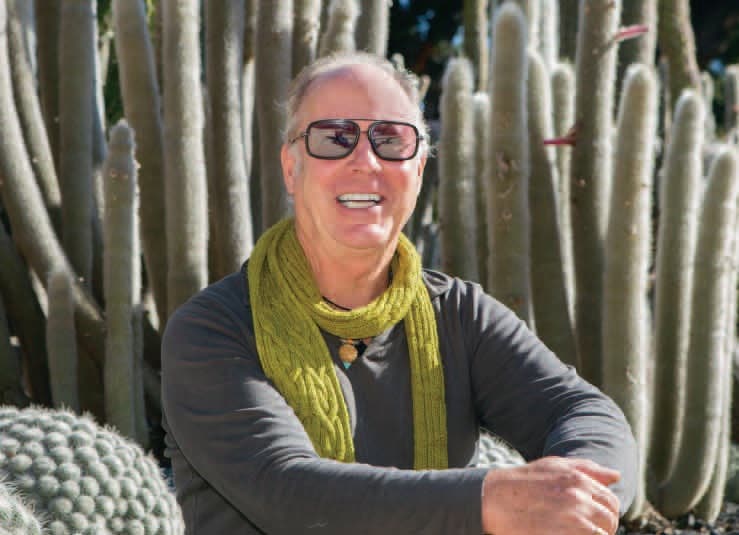
Eric Nagelmann* was once somewhat of a shy violet. One of nine children raised a stone’s throw from Lotusland, he spent time quietly tending his family’s garden as a child. He is rarely described as shy today, as he is not afraid to lend his voice as a champion for things close to his heart. Lotusland is grateful to be among Eric’s passions. He has gifted us his design work pro-bono, as well as supporting many other local organizations including the Carpinteria Bluffs, the Carpinteria Arts Center, Santa Barbara High School’s Green Academy, Elings Park and Planned Parenthood.

Lotusland profile | Eric Nagelmann
Eric Nagelmann

A preeminent landscape designer whose international work and reputation are unparalleled, Eric’s generosity, energy and impact at Lotusland are immeasurable. Current professional projects include the Goldstein residence in Los Angeles, which was recently bequeathed to the Los Angeles County Museum of Art. Eric is leading a Lotusland field trip to the residence on February 10, 2017. Another of Eric’s recent projects is Cuixmala, a glamorous bohemian resort in Careyes, Mexico.

Lotusland profile | Eric Nagelmann | cactus garden
The cactus garden Lotusland

Eric was first introduced to Lotusland by a friend in the 1970s. He recalls a meeting with Madame Walska, who greeted him warmly and invited him to enjoy the property, long before it became open to the public. That visit left an impression that led to Eric’s deep involvement as a long-time donor and designer at Lotusland. He has gifted his talents on three significant gardens. First was the creation of the Dunlap cactus garden in 2003, which he fondly refers to as “Salvador Dali goes to the desert.”

In 2015, Eric created the Palmetum, by reimagining the central garden and walkway between the water garden and the front of the historic Reginald Johnson-designed home and opening up an important 514′-long architectural axis reaching south to the wishing well. Most recently, Eric renovated our insectary garden, now a humming haven for beneficial insects and a valuable teaching tool for our Sustainable Horticulture Program. While the cactus garden is arguably Eric’s biggest achievement at Lotusland, the insectary represents Eric’s deep connection to the garden. It is a garden that, like Eric, warmly draws you in, creates a buzz of positive activity and has a far-reaching benefit for the entire property and our community.

Lotusland profile | Eric Nagelmann | cactus garden
Dali meets the Desert

In spring of 2017, when the insectary is in full bloom, Lotusland will celebrate with a ribbon-cutting and reception. We hope you will join us to help recognize Eric, and please say thank you when you see him in the garden!

By Rebecca Anderson

*This profile was originally printed in the Winter 2017 Lotusland bulletin. Text and profile photo courtesy of Lotusland.

Photo Credits:
Creative Commons, Cacti and euphorbia garden, Lotusland,by brewbooks, is licensed under CC BY-SA 2.0

Bring Water Lilies Home

Eye of the Day Garden Design Center

Eye of the Day Garden Design CenterMaybe you’ve had this experience: you are having a lovely picnic at Alice Keck Park Memorial Garden. Or, you are visiting one of the world-class botanic gardens around the country or the world. You stop by the pond to admire the lovely water lilies, the turtles that have crawled out to sun themselves on the shore, and the colorful koi moving in lazy patterns underwater. It all seems far away and idyllic, but what would it be like to get closer?

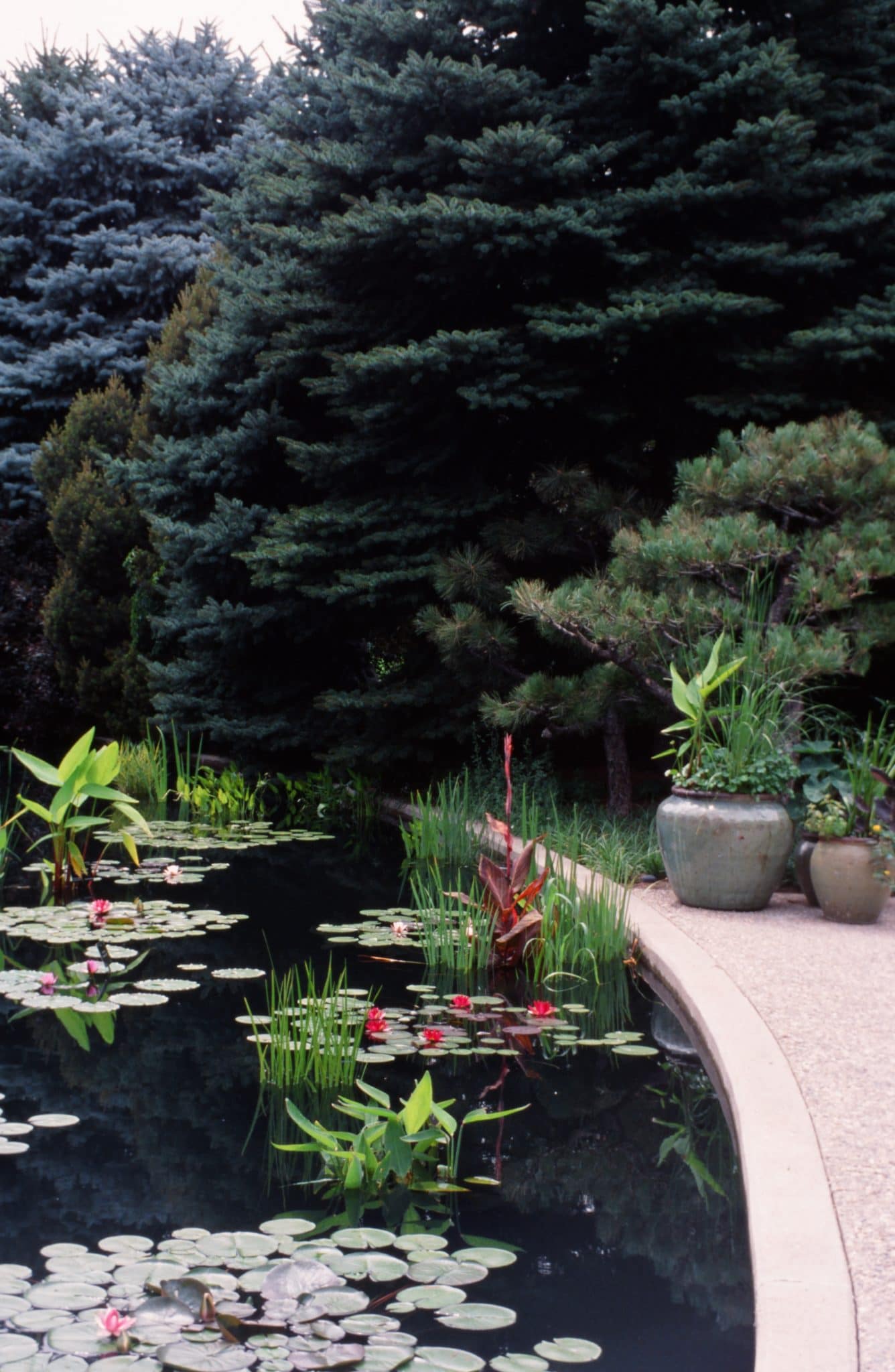
One way to do that (short of wading in and upsetting all of the creatures in the pond) is to grow a water lily (or two) in a smaller, above-ground container. In a container garden, the intricate and beautiful, even sometimes-fragrant flowers are within nose reach. You may not want to try turtles or koi, but aquatic plants, including water lilies, are very well suited to such confined quarters.

Eye of the Day Garden Design CenterWater lilies are unique plants and quite ancient in origin. Their showy flowers come in many colors and float on the surface of the water along with glossy orbicular leaves. There are hardy water lilies that go dormant in winter in temperate zones and tropicals that prefer to grow year-round in warmer climes. The tropical water lilies will perform wonderfully in cooler climates, but may have to be treated as annuals there.

Water lilies do grow in soil, so planting one in a container requires that a durable pot be prepared for them. The first rule of growing aquatic plants is to provide a growing medium free of organic material. I know that seems to go against all of our gardening instincts, but the root zone of aquatic plants is quite anaerobic, meaning that the bacteria (and other microorganisms living there) use other pathways in the decomposition of organics that can result in smelly and even toxic conditions. Nice clay soil, even sand, will support their roots and not contribute to other noxious problems.

Most water lilies require about 10 to 12 inches of soil in their growing pot and another 10 to 20 inches of water over the surface of the soil, although there are a few dwarf varieties that will bloom in far less space. Shop for them online and read the descriptions of their size and growth pattern to determine what size container will be best. The decorative outer planter will need to be water tight, of course, and many will be fired with an impervious glaze. Other choices are porous clay or concrete pots, which can be sealed. If the container already has drainage holes, they can be plugged to provide the perfect mini-water garden. Be sure to add a few mosquito-eating fish to complete your mini-ecosystem.


Container Gardening During Drought

Eye of the Day garden Design Center

Best Practices for Container Gardening During a Drought

Those of us who garden have seen the effects of the lack of rain, and enjoying our gardens is going to take more work. Longtime Californians have already experienced this kind of shortage and we know the drill. You turn on your shower in the morning, you grab a handy bucket kept nearby to catch those first 60 seconds of cold water you wouldn’t dare step foot in. Later, you carry that bucket outdoors and hand-water your beds, borders and trees, or maybe just one bed depending on the size and fullness of your bucket. This becomes a daily tradition.

If this seems far-fetched, consider that the politicos and water managers have finally weighed in and declared that we are actually in a drought. Not just a minor water shortage, but a state of extreme drought. Now we are not just encouraged, but, in some areas mandated to reduce water usage immediately.

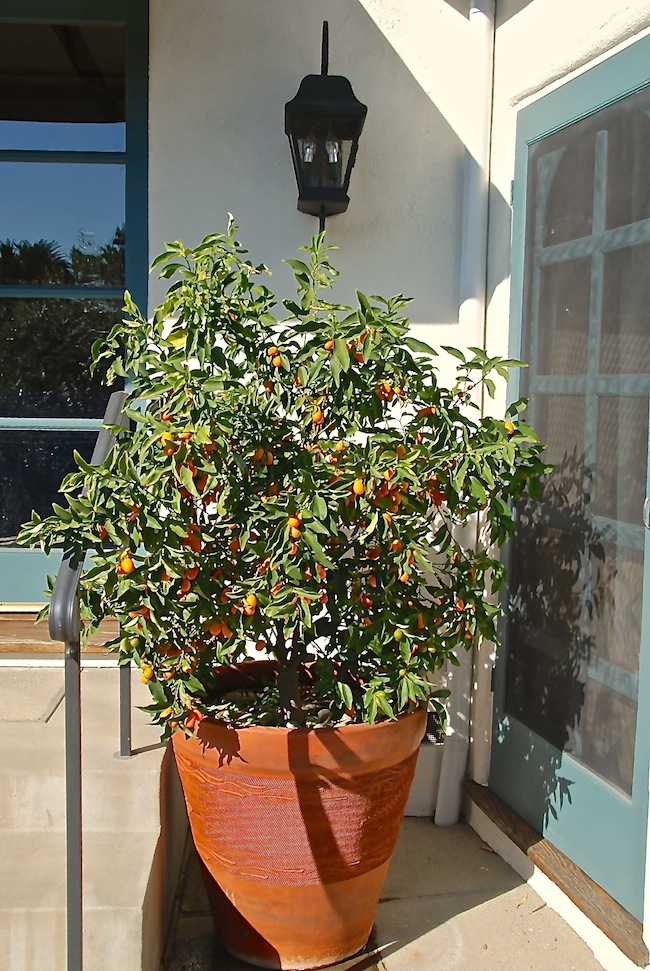
Eye of the Day garden Design CenterOne solution to having handsome specimen plants to adorn our outdoor living spaces is to plant them in containers. Planters are small, “contained” gardens after all. Everything from our favorite tropical plants like cannas and palms to flowering and fruiting trees and shrubs like citrus and even camellias can be grown in containers. When planting in a pot you can tailor the soil mix to maximize water absorption and retention and closely monitor just how much water is needed and used.

While I still encourage you to keep that bucket handy in the bathroom, you have other options with containers, such as low-flow and efficient drip irrigation systems. Take this opportunity to embrace the world of container gardening and do your part to conserve our most precious resource, water. And check back here for lots of specific tips on growing your favorites from ornamentals to herbs and vegetables, even a mini water garden. Also, look for future posts that will teach you how to choose the right container for your needs and tailor the soil for the plants you want to grow.