Clay Pot Irrigation Benefits During Drought

We had a very quick winter here on the Central Coast with just a little bit of rain, spotty at best, while the rest of the country has been buried under blankets of snow. As California is technically still experiencing a severe drought, I want to address ceramics in irrigation.

Eye of the Day|Clay Pot Shards| Clay, irrigation, water
Pottery that can be used to store water (or drought tolerant plants) for your garden.

Irrigation Through Clay
In the newsletter, we have covered many subjects concerning ceramics.  In irrigation, ceramics also has many uses. The Romans created an intricate system of aqueducts, which directed water throughout all parts of the empire. We see this around the world, ceramic pipe systems carrying water through towns and villages.

Eye of the Day|Clay Pot Shards| Clay, irrigation, water
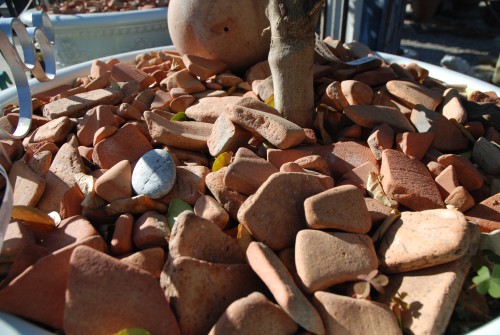
Broken off clay shards can be decorative and practical.

Clay Shards and Slow Water Release
Ceramic “shards” can also be used as a soil amendment. The broken pottery has to be low fire to be absorbent.  Low fire ware may be crushed and added to the soil and as you water, the shards act as little sponges and absorb the water and release it essentially as needed below ground.

Eye of the Day|Clay Pot Shards| Clay, irrigation, water
Burying the clay pot and filling it with water can help when water resources are limited. Photo Credit: steveilott

Clay Pot Irrigation

Another use I find very interesting is what is called “clay pot irrigation.” If you perform an internet search of this term and go to “Images,” you will see excellent examples of how this works.  Essentially, it is a very simple technique.  Again, a low fire vessel is made by a potter, and is then buried right next to the plants you want to irrigate; fill it with water, and because of the porosity of the low fire ceramic, it leeches through the walls of the vessel and waters the plant by slowly releasing a minimal amount of water.

Cultures around the world have been using this method forever!  Look it up, check it out, and enjoy these new yet very old techniques of gardening.  Ceramics in your garden is not just decorative, it can be very functional.


Container Gardening During Drought

Eye of the Day garden Design Center

Best Practices for Container Gardening During a Drought

Those of us who garden have seen the effects of the lack of rain, and enjoying our gardens is going to take more work. Longtime Californians have already experienced this kind of shortage and we know the drill. You turn on your shower in the morning, you grab a handy bucket kept nearby to catch those first 60 seconds of cold water you wouldn’t dare step foot in. Later, you carry that bucket outdoors and hand-water your beds, borders and trees, or maybe just one bed depending on the size and fullness of your bucket. This becomes a daily tradition.

If this seems far-fetched, consider that the politicos and water managers have finally weighed in and declared that we are actually in a drought. Not just a minor water shortage, but a state of extreme drought. Now we are not just encouraged, but, in some areas mandated to reduce water usage immediately.

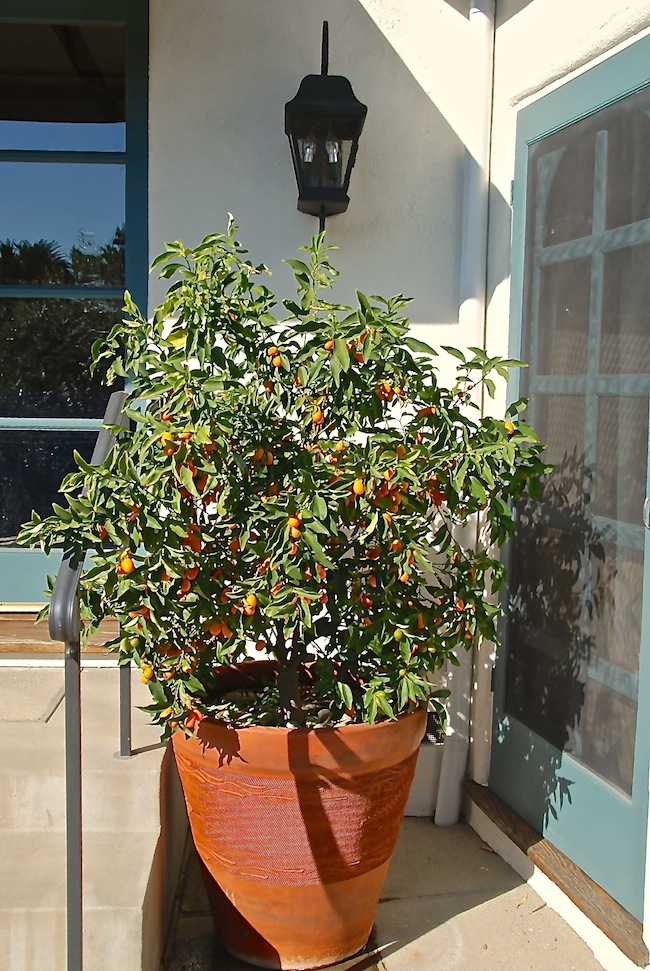
Eye of the Day garden Design CenterOne solution to having handsome specimen plants to adorn our outdoor living spaces is to plant them in containers. Planters are small, “contained” gardens after all. Everything from our favorite tropical plants like cannas and palms to flowering and fruiting trees and shrubs like citrus and even camellias can be grown in containers. When planting in a pot you can tailor the soil mix to maximize water absorption and retention and closely monitor just how much water is needed and used.

While I still encourage you to keep that bucket handy in the bathroom, you have other options with containers, such as low-flow and efficient drip irrigation systems. Take this opportunity to embrace the world of container gardening and do your part to conserve our most precious resource, water. And check back here for lots of specific tips on growing your favorites from ornamentals to herbs and vegetables, even a mini water garden. Also, look for future posts that will teach you how to choose the right container for your needs and tailor the soil for the plants you want to grow.