Book Review: Succulents Simplified by Debra Lee Baldwin

Eye of the Day|Succulents Simplified| Debra Lee Baldwin book review

SUCCULENTS SIMPLIFIED, Debra Lee Baldwin

Eye of the Day|Succulents Simplified| Debra Lee Baldwin book review
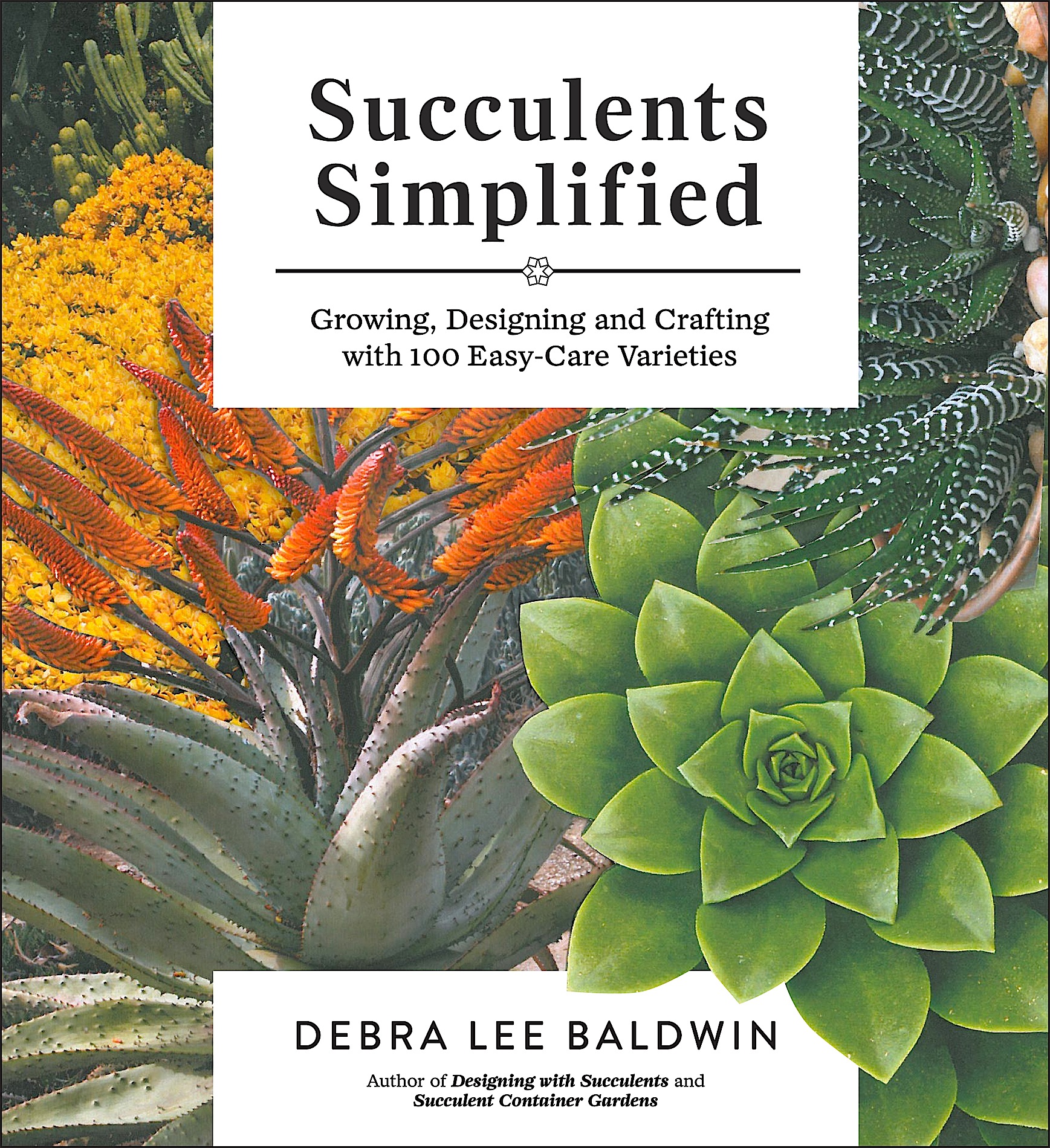
The Cover of Succulents Simplified

I think we can all agree that succulents are hot. In California, hot can translate to Dry and Dry to Drought.  Which we have.  I also think that we all want green, living things around us and that in our present dry state, succulents and cacti can fill an ever-widening void for both landscape professionals and every day green lovers.

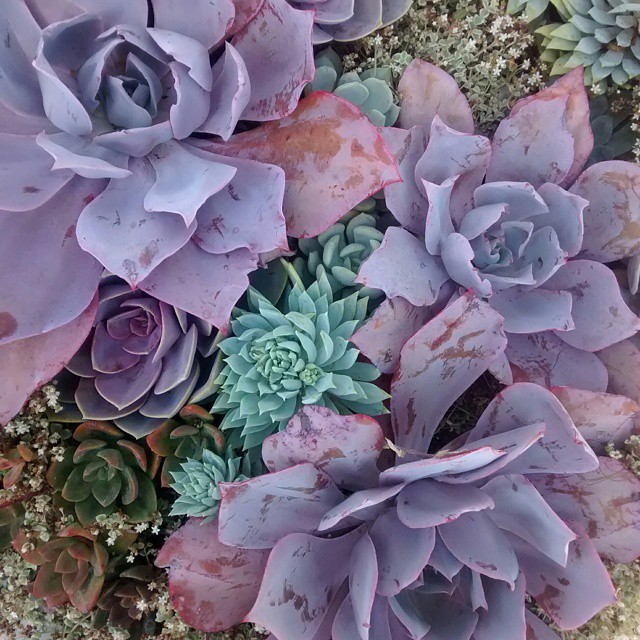
Eye of the Day|Debra Lee Baldwin Succulent| Echeveria imbricata
Up Close and Personal with an Echeveria Imbricata succulent.

Debra Lee Baldwin is a notable expert on succulents and succulent gardening.  In her book, Succulents Simplified, Debra keeps it easy enough for someone taking their first stab at succulent gardening but interesting for any landscape professional.  With plenty of photographs and simple care instructions including recommendations for no water and low water plants, I can’t imagine why anyone wouldn’t need and want to take a long hard, look at this book and a long, hard look at the slowly browning lawn in front of their home.

Eye of the Day| Debra Lee Baldwin succulent| Tuxedo agave pot
Tuxedo agave in a French Anduze pot at Eye of the Day.

In a perfectly friendly tone, Baldwin has included a page entitled “Good Riddance to Your Lawn”; we should all read this and begin to implement her ideas.  Succulents Simplified has inspiring sections like “Surreal Shapes, Testures and Patterns,” and “100 Easy Care Succulents” along with container and landscape projects, but my favorite section is entitled “Edible, Herbal and Illegal Succulents.”

About the Author:Eye of the Day|Debra Lee Baldwin| Succulents simplified book review
Debra Lee Baldwin specializes in showing how top floral and garden designers use dynamic, sculptural succulents in a wide variety of eye-catching applications. See more of her work at her website:

 Photo Credit: Debra Lee Baldwin and Timber Press (profile)

Books to Read by the Fire and a Hot Cocoa and Book Giveaway!

BOOKS TO READ BY THE FIRE THIS WINTER

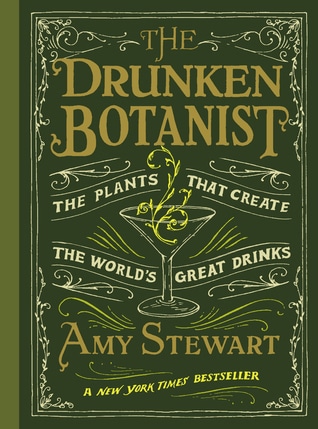
Suzi Freitas gives her recommendations for books to cozy up to this winter. For our readers, we’re also doing a special giveaway. Enter below by visiting our Facebook page or following us on Twitter  to win a copy of The Drunken Botanist and cocoa powder from famed French luxury baker and sweets maker, Laduree. The perfect treat while reading a book this winter.*


Amy Stewart Wicked Plants image

1. Wicked Plants: The Weed That Killed Lincoln’s Mother and Other Botanical Atrocities, By Amy Stewart

Stewart takes on over two hundred of Mother Nature’s most appalling children in an A to Z description of plants that kill, maim, intoxicate, and otherwise offend. Scary botanical illustrations create a portrait of the evildoers that may be living in your own backyard. This collection of bloodcurdling botany will frighten, entertain and educate even the most courageous gardeners. This book would provide perfect fireside reading on a cold winter evening.

 2. The Drunken Botanist, By Amy Stewart

Also by Amy Stewart (can’t get enough of her), The Drunken Botanist details the botanical history, science and chemistry of over 150 plants, flowers, trees and fruits. Many surprising and somewhat odd plants have been fermented or distilled, in fact every great drink starts with a plant. For example, Sake: rice, Scotch: barley, Gin: juniper. One of the most interesting sections regards the thirty-year court battle over Angostura bitters and its “secret” recipe, which technically may not even contain bark from the Angostura tree. The book includes over fifty drink recipes along with growing advice for gardeners, making it a great gift for gardeners/cocktail lovers or gardeners or cocktail lovers.


Carol Wall Mr. Otwita image

3. Mister Owita’s Guide to Gardening: How I Learned the Unexpected Joy of a Green Thumb and an Open Heart, By Carol Wall

The author’s neighbor, Mister Owita, helps her to transform her outlook on life following a series of personal misfortunes, and to allow herself to appreciate her lush backyard oasis. Through Owita’s extensive horticultural education, kindness and a variety of mutual interests, the pair becomes inseparable while they perform miracles on Wall’s property and her life.


a Rafflecopter giveaway

1. Sign Up through Rafflecopter
2. Like Us on Facebook or Follow us on Twitter. Each one is an entry to the giveaway*

*Giveaway Open to U.S. Residents Only, 18 Years Old and Over.

Giveaway Ends December 31, 2014.


Winter Gardening Tips and Ideas

Holiday time is approaching, but that doesn’t mean there isn’t time to get a little gardening in between the shopping and entertaining. Since the sun is shining less brightly, the soil has started to cool. Lower light and shorter days mean less productivity for plants.

Here are some ideas for winter gardening:

1. Plant for the Coming Cool Season

Winter vegetables include everything in the cabbage family: broccoli, cauliflower, mustard greens, and everyone’s new favorite—kale. Any of these can be grown as row crops for the kitchen, but consider putting a few in a half barrel or other container for both their edible and ornamental uses. Colorful rainbow chard is another great choice.

2. Consider Color

Cool season flowers like bachelor’s button, stock, sweet alyssum, calendula, foxglove, Iceland poppies, and pansies all thrive as winter approaches. Pick a color palette of similar or contrasting tones and group different types together in the container of your choice. Only one or two colorful pots will lend a festive air to your patio or deck. If you tuck in a few dormant bulbs, they will take over as the annuals wane. Narcissus and all its forms, gladiolus, lilies, tuberose, Mexican shell flower, and rain lily all fit the bill.

3. Compost in the Cold

Compost all the trimmings from your garden. Even in the cool months, bacteria and fungi will be doing their magic to produce beautiful planting amendments for spring. Use one of the patented composting bins, build your own, or just layer the materials in a corner of the garden. If you are ambitious, turn the pile once or twice (a good way to monitor the moisture level) or simply leave as is.

Mulch and water your favorite trees and shrubs. Much editing is going on because of the drought, but these are ways to nurse these larger shrubs along.

4. Gifts for the Wildlife

Don’t forget the birds and beasts, too. A shallow bowl of water will give them a welcome drink and a cleansing splash. Place the bowl in a quiet place where visitors have a view of the surroundings and potential threats. Keep filled and flushed with clean water as needed.


Rosette Succulents for the Garden

Succulents are all the rage and for several good reasons: many have a unique make-up that puts them ahead of the game in extreme heat. Succulents are composed of spongy tissue capable of storing water in dry times. And they maintain their good looks without a lot of maintenance.

Some of my favorite succulents are in the plant family known as the houseleek family. Many form rosettes of leaves, giving them a floral quality, but without the need for deadheading and other pruning. The other great part about this family is that there are a variety of shapes and forms to choose from. Their main requirement is a bright sunny spot, though some will even take a spell of shade if they have to.

The stone crops are all in the genus Sedum and most are low-growing perennials. Sedum acre is grayish with leaves that form small, whorled rosettes. Two other diminutive species are S. brevifolium and S. dasyphyllum.

“Live Forever” is just an English translation of the botanical Latin Sempervivum. All form densely star-like rosettes composed of many pointed leaves. Two commonly available species are S. tectorum and its many varieties and S. arachnoideum, called the cobweb houseleek because of the white filaments that cross from leaf tip to leaf tip.

Another group of ground-hugging plants are in the genus Echeveria and many are commonly called hens and chicks. Their leaves come in simple or densely whorled bunches that look like fleshy roses and the colors and forms are mind-boggling. From pale whitish green through bluish, to purple, bronze, red, and even yellowish tones, collectors can go wild accumulating them all. Then, there are the leaf shapes and textures; edges may be smooth to wavy to elaborately crimped and top surfaces may be cupped and smooth or bowed and covered with warty bumps (or both!).

Last are the many forms of Aeonium. From flattened dinner plate sized A. tabuliforme to the more tree-like forms such as the nearly black A. ‘Zwartkop’ and colorfully variegated A.‘Sunburst’, there are many selections for bold color and form.

Tough, sculptural, colorful—what more could you ask for in a plant family?


The Importance of Sustainable Gardening

The word of the day is sustainability. The United Nations World Commission for the Environment defines sustainability as “meeting the needs of the present without compromising the ability of future generations to meet their own needs.”

The other word that makes headlines is “green.” What that means for gardeners and landscape designers: We must pay attention to the materials we use in our landscapes. Hardscape materials should be renewable. Plants should not require major input of chemicals (fertilizers, pesticides, fungicides) to keep them healthy. Water needs should be easily fulfilled by the local climatic regime. 2014-01-10 We can also invite in native sources of nutrients and pest control agents. In an ideal natural ecosystem, there are no major inputs from outside sources. Think about an old-growth forest. Seeds sprout, trees and herbs grow and die. Their elements are recycled by decomposing fungi and bacteria to feed the roots of the remaining members of the forest. The model for us to emulate is to recycle all of the organic material produced either on site or by directing it to the local recycling program. We are used to calling it green waste, but it is really a green resource. 2014-01-18 Caring for our landscapes, whether we have a small city lot or manage a golf course, should mean thinking about sustainable practices. We must begin to see our personal green spaces as little pieces of a much larger urban ecosystem. What are the integral parts of that ecosystem? Who or what are the major players in this cycle? What are their needs? What practices will we need to adopt to encourage this natural process? And, just as important, what practices must we abandon?

The goal of sustainable gardening is to have a complete cycling of nutrients and maximum health of the soil and plants.