Paul Hendershot Design and Outdoor Living

Eye of the Day|Garden design| Paul Hendershot

In our continuing series of conversations with our favorite landscape architects, designers and contractors, we were really happy to talk to Paul Hendershot of Paul Hendershot Design, Inc. in Ojai, California.  All of us look forward to seeing Paul and his big, beautiful dog, Chief, walking through Eye of the Day.  Here are some things we found out when we talked to Paul.

Paul: I have great passion for landscaping.  I listen closely to what the clients want for their outside space and I am committed to creating a landscape that fits the style of the house. I have had great success with all my clients because I work to make their dreams come true and be sure the design fits the property

Eye of the Day|Garden design| Paul HendershotEye of the Day: What do you consider your signature style?
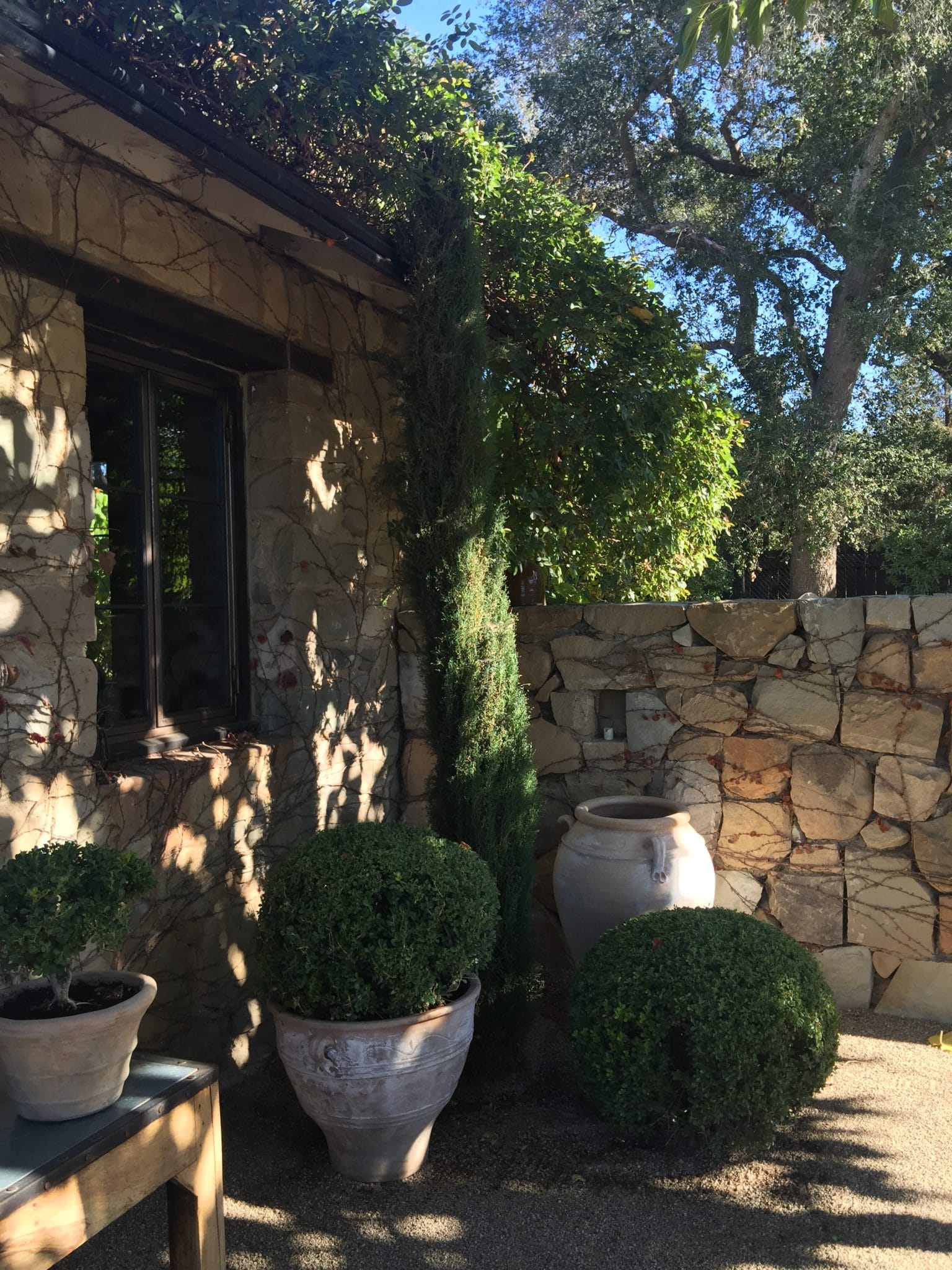
Paul: I am very fond of courtyards; rooms and spaces that are meant to be lived in as opposed to spaces that are simply decorative and consequently unusable. I have been using permeable elements such as pea gravel for many years.

Eye of the Day|Garden design| Paul HendershotEOD:  Has there been anything in particular that has inspired your style?
Paul: I was inspired while traveling mainly in Europe where I saw courtyard settings that had a recurring use of the same and similar plants that I use now. This creates that lush look with very low watering and a permeable ground.

Eye of the Day|Garden design| Paul HendershotEOD: Have you encountered any obstacles with your clients during the drought?
Paul: My main obstacle with clients has been convincing them to give up their lawns.  But I show my clients many of the gardens that we have done throughout the years that have no lawn to help them recognize what it could be like to give up their lawn.  After they feel the lushness and peacefulness of these gardens, they are convinced that they can live without a lawn.

EOD: What do you see for the future in the world of California landscape design?
Paul: The next developments I hope to see is more courtyards, patios, tree plantings, and permeable grounds. In other words: spaces to live in outside.

Eye of the Day|Garden design| Paul HendershotEOD: What are your short and long term goals for your business?
Paul: We intend to continue to work closely with our clients and focus on their dream gardens.  During this process, we will continue working with the clients with lots of fun in mind. We want to continue to design gardens, courtyards, and patios that use very little water, keeping abreast of the latest permeable options. We are full of gratitude for the great clients that we get to work with.

…and we’re full of gratitude for Paul and Chief.  To contact Paul, see his website: Paul Hendershot Design


Garden Cocktails: Winter Ice Champagne Cocktail

Eye of the Day|Garden Cocktails| Champagne

Garden Cocktails: Holiday Edition

You have so much going on during the holiday season, but you need something special for yourself while you sit down, relax and enjoy all the work you have put into making everyone happy.  You could make a second one for someone and continue to spread the happiness.

Eye of the Day|Garden Cocktails| Champagne

WINTER  ICE CHAMPAGNE COCKTAIL

Serves 1

¾ oz Hendricks Gin

¾ oz freshly squeezed lemon juice (from your garden!)

½ oz simple syrup (1:1 sugar to water)

3 oz your favorite champagne or sparkling wine

Shake first three ingredients with ice.  Strain into a coup or champagne glass and top with champagne.

Photo Credit: Champagne Tower, Creative Commons, champagne tower by kenichi nobusue is licensed under CC by 2.0 


The Rogue Garden: Brent’s Test Kitchen

Eye of the Day|Brent's Rogue Garden|The Test Kitchen

THE ROGUE GARDEN: Brent’s Test Kitchen

Hey! All you hoity toity landscape designers—this blog’s for you!

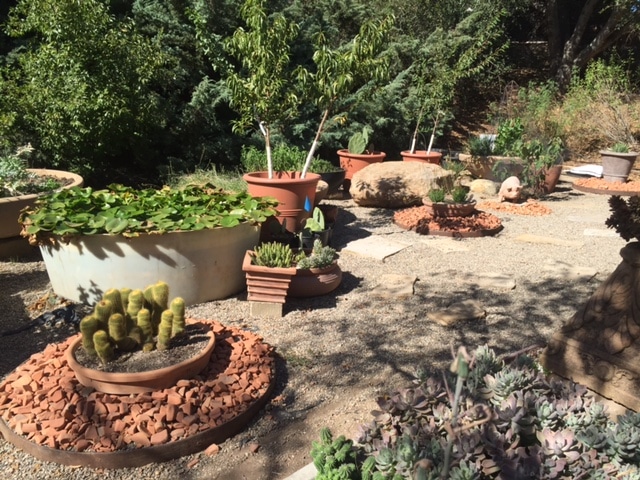
When my professional landscape design friends come to my home garden for the first time, they are usually thrown off balance by what they see: there are pots and containers everywhere.  I constantly rescue or buy plants to try out in our pots to show how they work together in the landscape and also to see how a plant performs in a container versus the ground.

While my garden is a “test kitchen”, it serves as inspiration for Eye of the Day as well as for the genetic sequence I received from my Portuguese great grandfather. He was a truck farmer who indentured himself in 1868 to the Campbell Estate in Hawaii to grow sugarcane. I love putting my hands in the dirt.
Eye of the Day|Brent's Rogue Garden|The Test Kitchen

My garden at home has helped us at Eye of the Day in many ways. We have learned that French Anduze pottery must be sealed or the glazing starts to fall off almost immediately. So, we tell everyone that if you purchase French Anduze, you must have it sealed to protect the glazing.

Something that every design professional should know about is how to properly plant pots and especially large pots. Pots that have diameters larger than 30” usually have plant material that starts big or will grow large due to the space for more root ball. But after a period of years and sometime climate conditions, a large plant needs to be removed from its container and trimmed and replaced. By replicating these situations in my own garden, I have formulated successful service practices for performing operations which allow clients to benefit by getting the most from their purchase of our products.

Also in my garden, there are odd experimental items like “vertical wall” planters and terra cotta shelf units for the patio. 25 years of business has resulted in a new product. Whether damaged in the container coming from Italy or through rough handling here at Eye of the Day, we take the broken pieces of pottery and produce Tumbled Terra Cotta.

Yes, my garden at home looks like a madman’s landscape but, I love it and I love spending time in this intimate setting surrounded by the products, plants and ideas that fuel my life.

Let me know if you’d like to visit.

Brent, the Rogue Gardener


5 Tips for Winterizing Your Terracotta Pottery

Eye of the Day|How To Winterize Your Terracotta Pots

5 Tips for Winterizing Your Terracotta Pottery

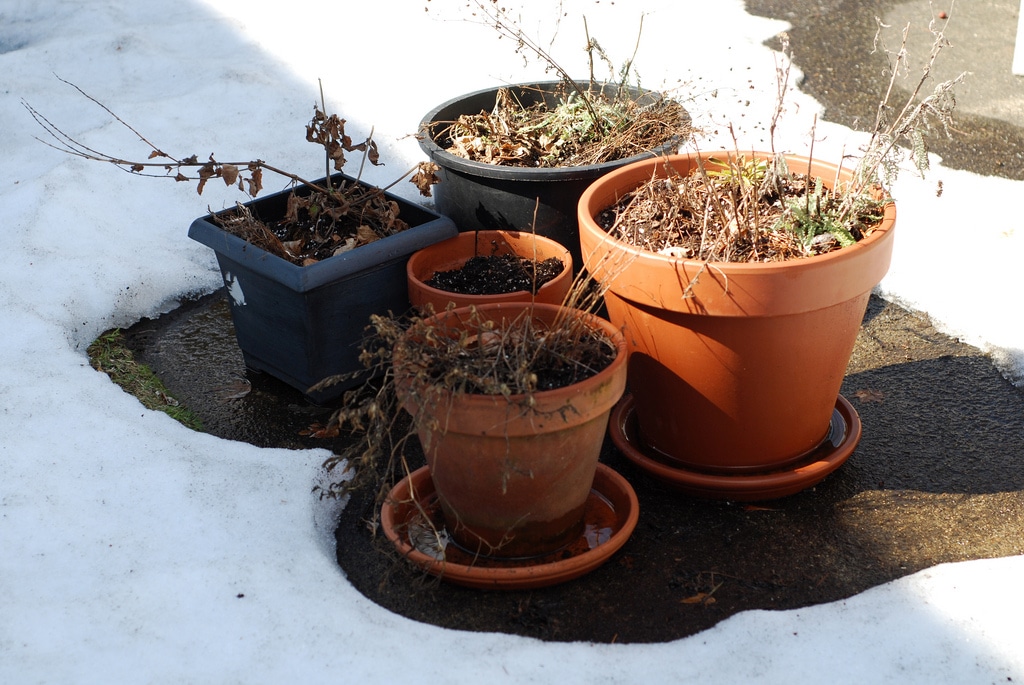
To many people winterizing terra cotta pottery may seem like a completely irrelevant subject for discourse, but consider that you can add this information to your knowledge just IN CASE it ever gets cold enough to freeze. This is an actual problem for people with terracotta pots in parts of the US , which is why you don’t see great pottery everywhere.

There ARE steps that can be taken to help prevent your pots from cracking when old man winter whips through your garden. The goal is to eliminate the possibility of water being absorbed, frozen and thus causing the pot to crack.

  1. Lift the pot from the ground by placing it on pot feet, wooden blocks or pieces of stone. This will allow air to circulate beneath the pot.
  2. Seal the pot with a penetrating sealer, such as one used to seal slate floors and swimming pools
  3. Remove plants and soil from the pot, as the soil will absorb water, freeze, expand and can cause cracking
  4. Cover the pot with plastic sheeting to avoid contact with water
  5. Most fool-proof: move it inside

Much depends on the quality of the terra cotta as well.  Eye of the Day’s is the highest quality, high fired Italian terracotta, made from Galestro clay. Our pots, manufactured by Terrecotte San Rocco, are guaranteed frost proof to minus 15 degrees. It helps to know that if a pot is high-fired, the absorption rate is lower, and so the risk of cracking in freezing weather is reduced.

You may need this information some day. Maybe.

Photo Credit: Terracotta Pots, Creative Commons, My Container Garden After Winter by Rachel James is licensed under CC BY-NC-ND 2.0


Garden Recipe: Apple and Butternut Squash Soup

Eye of the Day|Apple Butternut Squash Soup|Garden Recipes

GARDEN RECIPE: Apple and Butternut Squash Soup

It’s beginning to look like autumn, and on some days it feels like it too.   The summer vegetable garden is sad and scraggly, so I know that it’s time for apples, persimmons, pomegranates and winter squash.  And soup.  This one.

Eye of the Day| Garden Recipes |Apple and Butternut Squash Soup

  • ½ c unsalted butter (or ½ c good olive oil, if you would rather)
  • 3 large leeks, white part only, cleaned and chopped
  • 1 tsp minced fresh ginger
  • 2 ½ lbs butternut or Kabocha squash, peeled, seeded and cut into chunks
  • ½ lb of your favorite variety of apples, peeled, seeded, cored and chopped
  • Chicken broth or vegetable broth
  • Salt and pepper to taste
  • ¼ c chopped flat leaf parsley
  • Crème fraiche

Cook the leeks in the butter until soft and translucent. Add ginger, squash and apples and pour enough broth to cover 1/3 of the vegetables.  Add salt and pepper to taste, bring to a simmer and cover the pot.

When everything is completely soft, puree the mixture in batches and return to the pot.  If it is too thick, add more broth to get the consistency you like.  Adjust the seasoning to taste and serve finished  with a sprinkle of parsley and a spoonful of crème fraiche.

Photo Credit: Soup, Creative Commons, Soup by monikalohmann is licensed under CC0 Public Domain. 


Right-Sizing Your Garden and Saving Water

Eye of the Day| Deana Rae Right Sizing Your Garden|Save Water

Right-sizing your Garden and Saving Water
By Deana Rae McMillion, Garden Enthusiast and Master Gardener

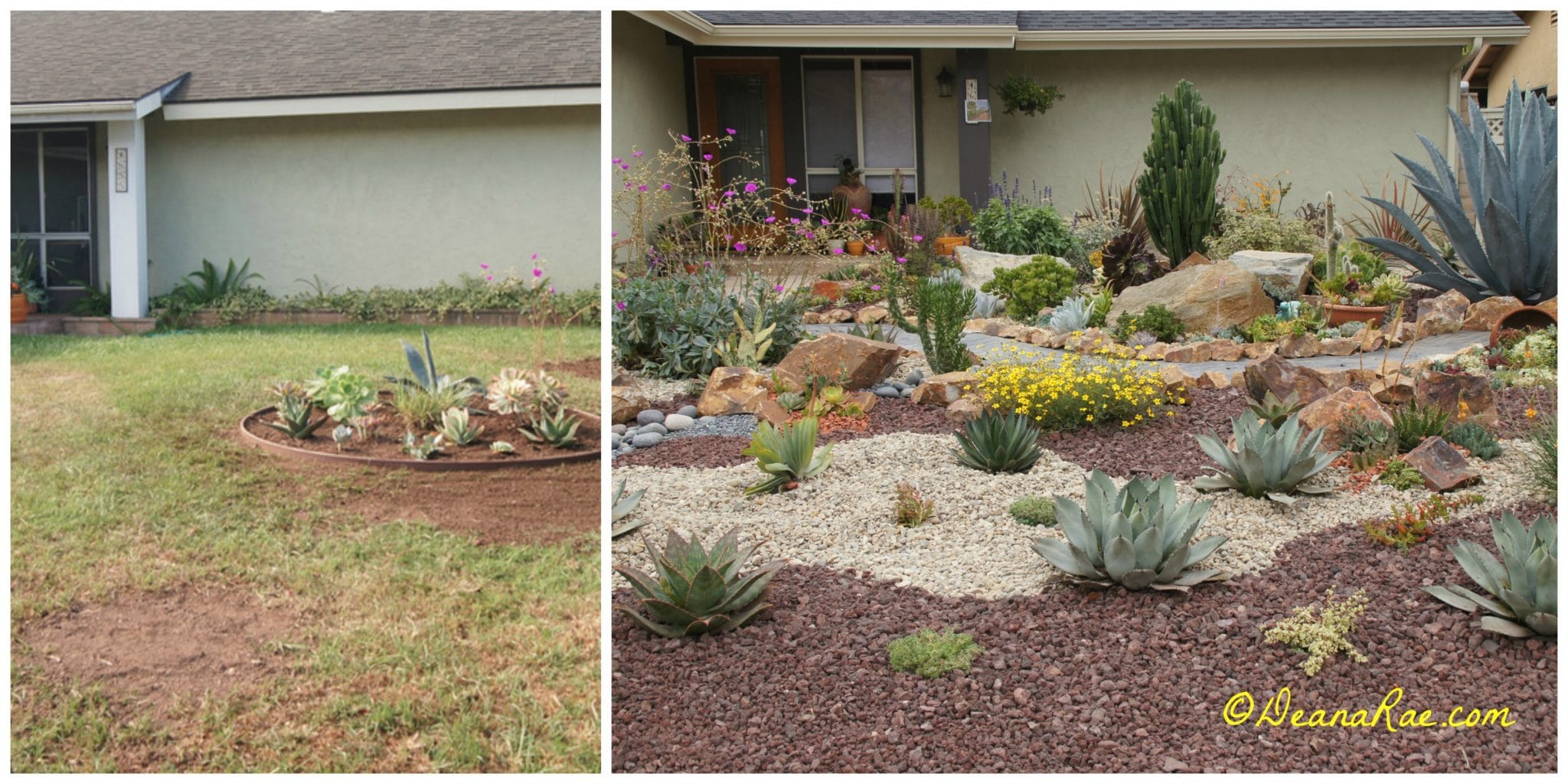
Right-sizing our gardens in order to reduce water usage is imperative. Just taking out your lawn isn’t necessarily the answer. Many people who do remove their lawns aren’t doing the necessary research and are planting water thirsty plants or invasive plants that use more water or rob their soil of nutrients.

If it seems overwhelming to remove your entire lawn, one thing you can do to save water is let it go brown. In this severe drought the most important thing to save are our valuable trees. But why not look at this as an opportunity to right-size your garden and plantings? California is a summer dry climate and that is not going to change even when the drought is over.

11 Ways to Conserve Water in Your Santa Barbara County Home Landscapes

  1. Select water-efficient plants that grow well in your climate and microclimate.
  2. Be hyper-aware of plant selection and be sure not to choose invasive plant species
  3. Hydrozones: Place plants with similar water needs together and irrigate them accordingly (high, medium, low, and very low zones).
  4. Let roots of established plants dry out between irrigations, water deeply and infrequently slightly below the root zone.
  5. If you do not use or enjoy your lawn consider replacing it with drought-tolerant plants. If you decide to keep your lawn – water it based on University of California’s “Drought Irrigation Tips”
  6. Mix soil amendments (compost, etc.) evenly and deeply into sandy and clay soils (40% or more by volume) before planting.
  7. Spread a 2-3” layer of mulch on top of the soil around garden plants and trees.
  8. Water early in the morning.
  9. Control weeds.
  10. Avoid over-fertilizing.
  11. Sweep walkways and driveways; do not hose them down with water.

Have a home landscape or gardening question? Contact the Santa Barbara County Master Gardener Helpline at 805-893-3485 or email anrmgsb@.

Please allow 3-4 business days for a response as the Master Gardener helpline is staffed by volunteers. Please be as detailed as you can in your query when leaving a message. Photographs are also helpful in our responding to your gardening concern.
Resources:
Santa Barbara Master Gardener Program
California Garden Web: Drought Gardening Tips
Plant Right: Home Gardeners