Book Review: The Beekeeper’s Lament

Eye of the Day|Book Review|Beekeeper's Lament

Book Review: The Beekeeper’s Lament

On one of Santa Barbara’s warm, almost-Spring days, spending some time in my favorite book store, I noticed a book that fit right in with our newsletter this month.

Eye of the Day|Book Review|Beekeeper's Lament

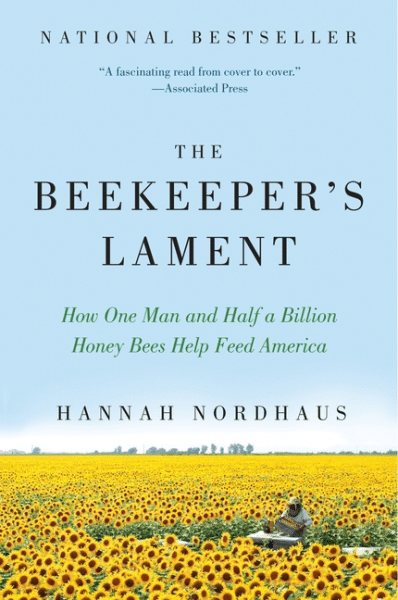
It was The Beekeeper’s Lament, by award winning journalist Hannah Nordhaus.  Even if you have never thought about the plight of the American honeybee, this book will get your attention.  Nordhaus tells the story of John Miller, a well-known migratory beekeeper, and the many complicated epidemics threatening the honeybee population. Nordhaus discusses the important role that honeybees play in American agribusiness, the maintenance of our food chain, and the very future of the nation.

Through Nordhaus’ clear storytelling, we see John Miller, who moves his hives around the country, bringing millions of bees to farmers lacking natural pollinators. As the deadly epidemic known as Colony Collapse Disorder devastates bee populations around the world, Miller forges ahead.  The Beekeeper’s Lament tells his story and that of his bees, in a complex and unforgettable way. As you sit near your garden, sipping your Pinky’s Paloma and snacking your honeyed feta, take a moment to listen ?

Photo Credit: Image via HarperCollins Publishers 

Drought Tips: Shrink Your Lawn or Ditch it All Together

Shrink Your Lawn or Ditch it All Together

Spring Equinox ushers in longer days and with  the recent arrival of the first day of spring and Daylight Saving Time just kicking in this means more time to devote to our outdoor spaces and gardens. We need to be sure to take time to enjoy our roses’ first flush of blooms, the most glorious of the whole year.

Assess Your Garden
Take a look at your yard. Do you really need that plot of water-guzzling lawn? Across California, lawns are the leading consumer of outdoor residential water use. Let’s be honest, with very little to offer in the way of habitat value, thirsty traditional lawns could be smaller in favor of providing habitat for butterflies, birds, and bees.

In our mild climate, consider the many relaxing benefits of a water feature in your turf-free zone. Many no-turf options combine the use of local native plants, inviting paths, seating areas, perhaps a small meadow of flowering perennials, and water features.

Thoughtful Design
Think about your outdoor activity needs and limiting turf to places where you really need it (like a kids’ play areas). Some types of grassy lawns require less water than others so consider this when combining drought tolerant plantings alongside a lawn. Or, try eliminating it altogether—it’s the most effective way to reduce your outdoor water use (plus it gets you out of the mowing grind).

So if you don’t use it, why not ditch it? Beautiful landscapes that replace turf with easy care, drought-tolerant plants will make you wonder why it took you so long to make the change.  Eye of the Day has over two acres brimming with pots converted to fountains, multi-tiered fountains, beautiful statuary, antique wrought iron, birdbaths, patio furniture and staff who will happily guide you through making the switch to ditch your lawn, and to create a beautiful, peaceful outdoor space.


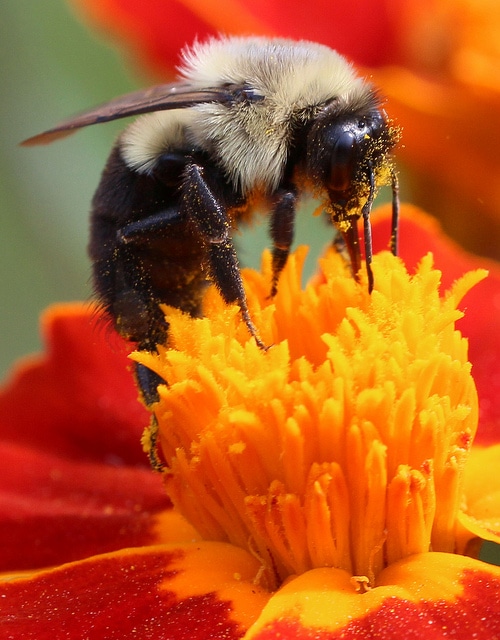
Photo Credit: Bee, Creative Commons, Pollen covered Bee by Bill Damon is licensed under CC by 2.0 


Your Garden: An Oasis for Friendly Creatures

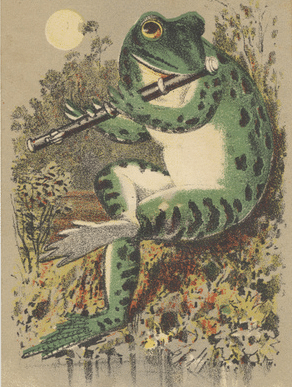
garden frog

garden frogIf you’ve ever lived anywhere near a lake, a pond, or a stream, you will know what I’m describing now: it is the sound of spring at dusk. This sound is not the cacophony of many tiny birds courting each other as the sun rises; it is the almost deafening din of frogs seeking their mates as the sun descends. Countless frogs are making their way to the nearest body of water with that primal urge to further their species.

Frogs are not the only fauna that seek out some source of water. Many other garden friends such as insect-eating birds and pollinator partners like bees and butterflies also need a reliable source of this essential element. Normally, these nearly invisible insect helpers will sip quietly and unseen under the shrubs or on the dewy grass, but during this drought time, as landscapes transition to much drier sites, there will be fewer of these mini watering holes to visit. Birds are no different, although a bit more evident as they zip or flutter through the garden. Not only do they need a drinking fountain, they will be healthier and happier if they can also take a quick splash to reduce the insects riding piggy back under their feathers.

These creatures are essential partners in the balanced ecosystems that gardens should be modeled on. The great news is that their requirements for water are very small. Insects need just a shaded, boggy spot to land and sip. Container gardens are a perfect way to conserve water and yet offer up refreshment to these critters. For the bugs and butterflies, a bog plant that has just a skim of water over the surface of its soil will allow them to straddle a tiny puddle to slurp up their refreshment.

Birds do want just a bit more surface and depth, but that can be found in a shallow saucer or other decorative container that allows them to sip and splash. Place these containers at the edges of the garden where avian visitors can feel safe from predators.

Your mini oasis may also serve as a way station for other wild vertebrates that share our gardens, such as raccoons, opossums, and more. But everyone should be welcome at our little watering holes.