True to my “Profile” I do wander the globe looking, sometimes under rocks. Here at Eye of the Day we have been successful in offering old rocks with a purpose for the garden.
Throughout the centuries, agricultural societies shaped stone to hold water and fodder, fodder and water, to sustain their livestock. These pieces make stellar planters and add mass and dimension to a landscape in many ways. Here at EOD we make them into beautiful container gardens, water plant containers, border containers and fountains.
Yes, they are heavy and we have become pretty good at delivering and installing them, but that isn’t the story I want to tell here. The story is where to go to find these old and handmade things.
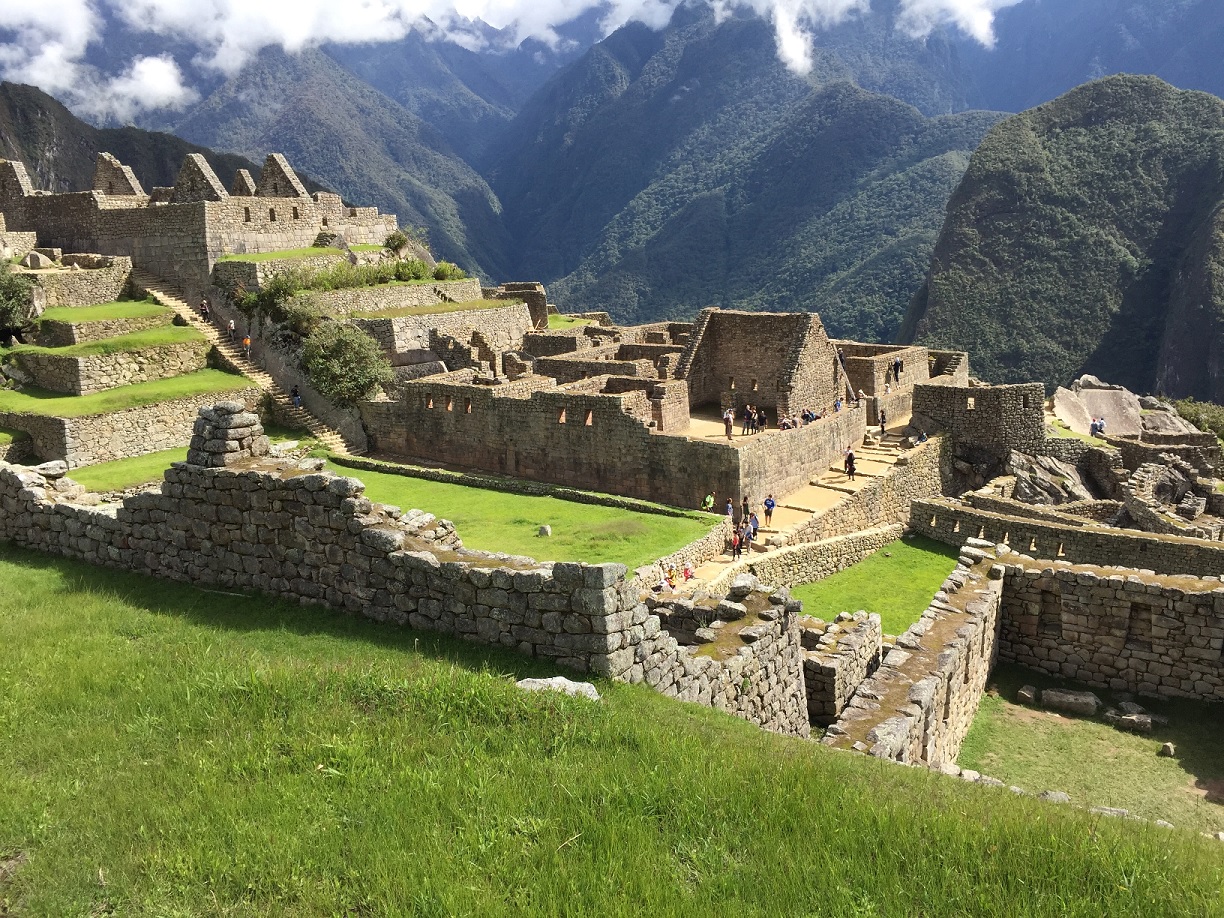
Where is there lots and lots of granite to hand pitch? The Andes, Peru, Machu Picchu.
Discovering Lima, Peru:
Busy and booming, this place where it never, and I mean never, rains is beyond bustling. It reminds me of China with cars and buses everywhere so that if you’re not paying attention, you just might get run over. There is smog, but being on the ocean, there is some relief. Also, it’s a good idea to go in late November. Wait, that’s Summer. Or is it Winter there? T-shirts, sandals and shorts.
The city is spread out and the different districts make it fun and interesting to explore. The Baranca is funky, hip, and has a great flavor to it.
The M district, where everyone tells you to stay (I agree), is where the action is and the shopping and the best food. The food is fantastic, really. Ceviches galore and Pulpo, the flavors and the talent of the cooks, chefs and kitchens is world class. The opportunities to walk and tour the city and sample their great restaurants are abundant.
Getting out of the City
But unless you are looking for crafts to purchase, especially things woven and crocheted from alpaca and sheep, or silverware all on a scale relative to grains of sand at the beach, you will be disappointed. So, I headed to the mountains of Cusco, something like 10,000 feet above sea level. This city is different in every way from Lima except for the woven and knitted goods.
Cusco is a small but bustling city with sights galore and outstanding food. The streets are still mostly made of granite cobblestone and strong ankles are recommended. Let me say here that the coca tea is a good idea and tastes great, it helps with the altitude but it is not the experience many think it will be or maybe even want. I didn’t, however, chew any leaves, it just didn’t strike me as important. I was hunting for rocks!
If you could turn granite into energy, the Peruvians would be the wealthiest people on the planet. How did the Incas move the boulders (some a hundred tons or more), not only downhill but, down mountain slopes, across large rivers and up mountain slopes hundreds and hundreds of feet into place, and when fitted together you could not slide an eyelash between them?
The ever present granite mountains granite buildings, granite temples and, granite streets are enough to cause a need in the hardened soul for some loamy soil and terracotta planters (that’s EOD humor, by the way). I was certain that I would come across some troughs or stones carved to hold water for thirsty beasts kept for their wool and hair.
Sadly, I canvassed from car, bus and train windows and never saw anything until we were on our way to Puno and we stopped at the most outrageous church I’ve ever seen. There I saw two old stones, definitely carved to hold water. Unfortunately, they were over two thousand years old and I could never have afforded them, at least for use as planters. Oh well! Not every expedition is successful from the EOD point of view. Nor does it have to be, even for me, but I was surprised that in a country made of stone, so little of it has found its way into the culture.
Oh well, on to the next spot!