Clay Pot Irrigation Benefits During Drought

We had a very quick winter here on the Central Coast with just a little bit of rain, spotty at best, while the rest of the country has been buried under blankets of snow. As California is technically still experiencing a severe drought, I want to address ceramics in irrigation.

Eye of the Day|Clay Pot Shards| Clay, irrigation, water
Pottery that can be used to store water (or drought tolerant plants) for your garden.

Irrigation Through Clay
In the newsletter, we have covered many subjects concerning ceramics.  In irrigation, ceramics also has many uses. The Romans created an intricate system of aqueducts, which directed water throughout all parts of the empire. We see this around the world, ceramic pipe systems carrying water through towns and villages.

Eye of the Day|Clay Pot Shards| Clay, irrigation, water
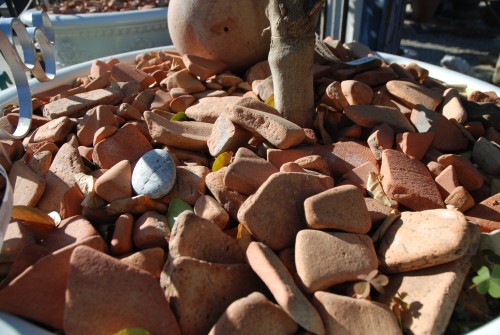
Broken off clay shards can be decorative and practical.

Clay Shards and Slow Water Release
Ceramic “shards” can also be used as a soil amendment. The broken pottery has to be low fire to be absorbent.  Low fire ware may be crushed and added to the soil and as you water, the shards act as little sponges and absorb the water and release it essentially as needed below ground.

Eye of the Day|Clay Pot Shards| Clay, irrigation, water
Burying the clay pot and filling it with water can help when water resources are limited. Photo Credit: steveilott

Clay Pot Irrigation

Another use I find very interesting is what is called “clay pot irrigation.” If you perform an internet search of this term and go to “Images,” you will see excellent examples of how this works.  Essentially, it is a very simple technique.  Again, a low fire vessel is made by a potter, and is then buried right next to the plants you want to irrigate; fill it with water, and because of the porosity of the low fire ceramic, it leeches through the walls of the vessel and waters the plant by slowly releasing a minimal amount of water.

Cultures around the world have been using this method forever!  Look it up, check it out, and enjoy these new yet very old techniques of gardening.  Ceramics in your garden is not just decorative, it can be very functional.


Your Garden In A Window Box

When you see images of homes that feature window boxes overflowing with color, herbs and bees and butterfly-friendly plants, doesn’t it make you want to create a little garden under your window?

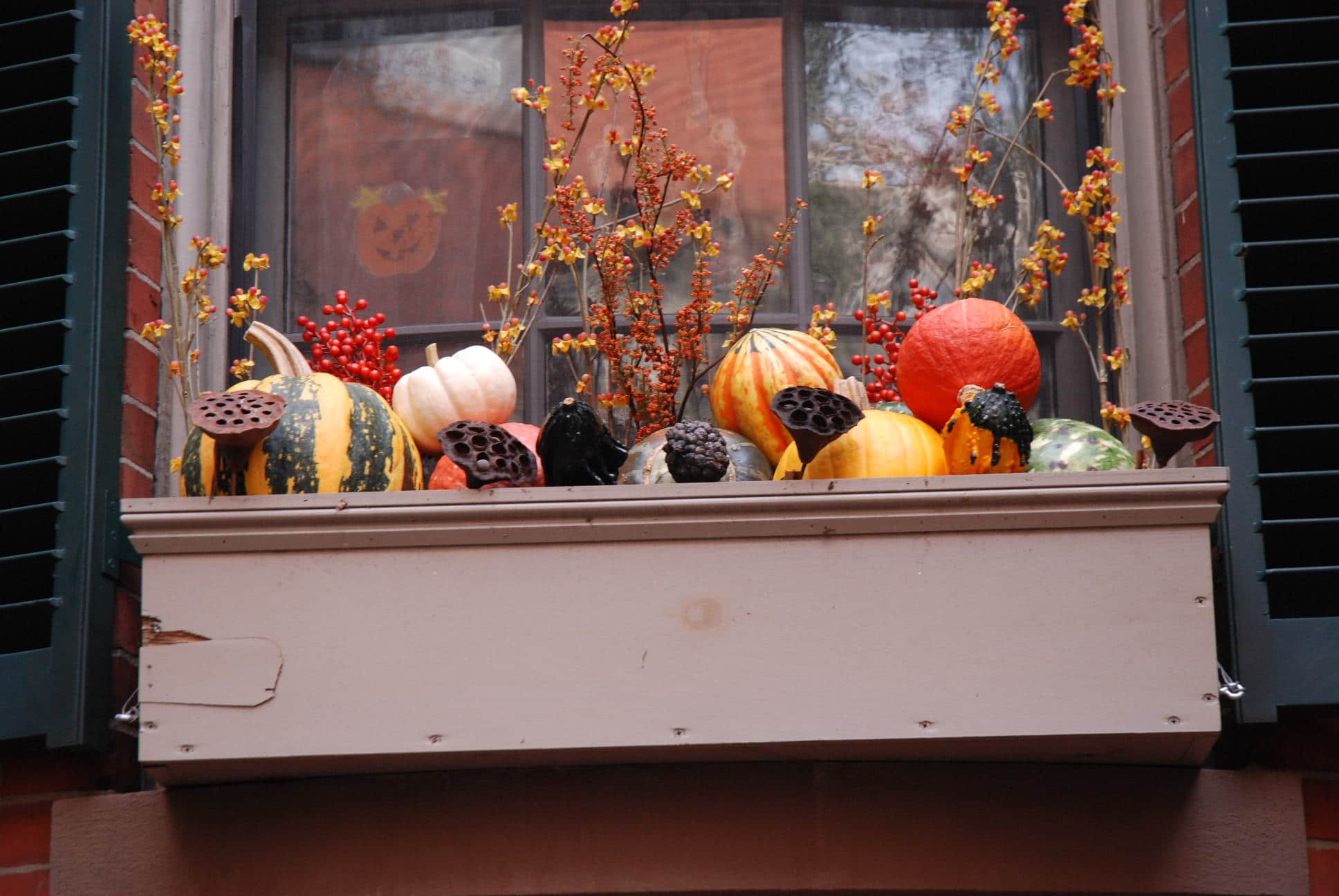
During an East Coast trip, Brent was walking the streets of Boston’s Beacon Hill neighborhood and.. looked up.  He noticed them near doorways as well: window boxes overflowing with color, herbs, and seasonal gourds.  Beacon Hill is famous for the flower boxes gracing the windows of most homes.  Their legacy comes from a time when homes were built on the edge of the street and there was little area to garden.  In the late nineteenth and early twentieth century, most homes had a central courtyard where there might have been an outhouse, wood shed and animals, so the logical place to grow a small kitchen garden would be in planter boxes hung just outside the window in order to save space.

Window boxes have a long history beginning in Europe and then traveling to America with the early settlers.  Terra cotta planter boxes date back to early Rome where it was common practice to cultivate cottage gardens for food, medicine and religious uses.  Eventually window boxes were planted with decorative flowers.

Historically, planters placed below the window have been made from wire hay frames, wrought iron, wood and terra cotta.  And that brings us to Eye of the Day’s Italian terracotta clay window box or “Cassetta Balcone.”  These sturdy window boxes, made from Galestro clay by Terracotte San Rocco, are available in five sizes and can be used as regular rectangular planters, placed on the ground, but WHY NOT use them as the Beacon Hill Brahmins and hang them beneath your windows, filled with succulents,  herbs, and vegetables?


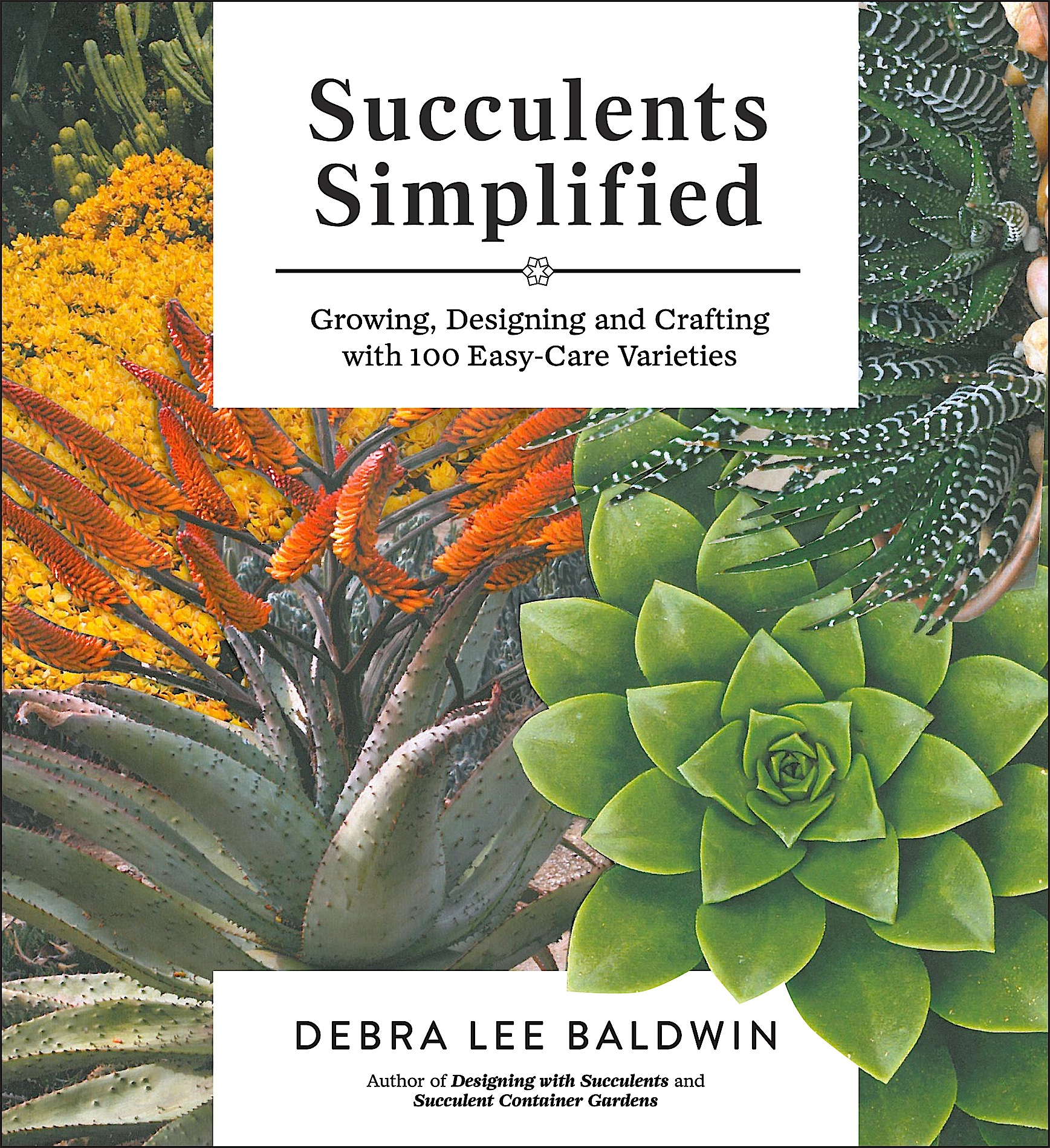
Book Review: Succulents Simplified by Debra Lee Baldwin

Eye of the Day|Succulents Simplified| Debra Lee Baldwin book review

SUCCULENTS SIMPLIFIED, Debra Lee Baldwin

I think we can all agree that succulents are hot. In California, hot can translate to Dry and Dry to Drought.  Which we have.  I also think that we all want green, living things around us and that in our present dry state, succulents and cacti can fill an ever-widening void for both landscape professionals and every day green lovers.

Debra Lee Baldwin is a notable expert on succulents and succulent gardening.  In her book, Succulents Simplified, Debra keeps it easy enough for someone taking their first stab at succulent gardening but interesting for any landscape professional.  With plenty of photographs and simple care instructions including recommendations for no water and low water plants, I can’t imagine why anyone wouldn’t need and want to take a long hard, look at this book and a long, hard look at the slowly browning lawn in front of their home.

In a perfectly friendly tone, Baldwin has included a page entitled “Good Riddance to Your Lawn”; we should all read this and begin to implement her ideas.  Succulents Simplified has inspiring sections like “Surreal Shapes, Testures and Patterns,” and “100 Easy Care Succulents” along with container and landscape projects, but my favorite section is entitled “Edible, Herbal and Illegal Succulents.”

About the Author:Eye of the Day|Debra Lee Baldwin| Succulents simplified book review
Debra Lee Baldwin specializes in showing how top floral and garden designers use dynamic, sculptural succulents in a wide variety of eye-catching applications. See more of her work at her website:

 Photo Credit: Debra Lee Baldwin and Timber Press (profile)


Flowers and Plants for a Drought Tolerant Garden

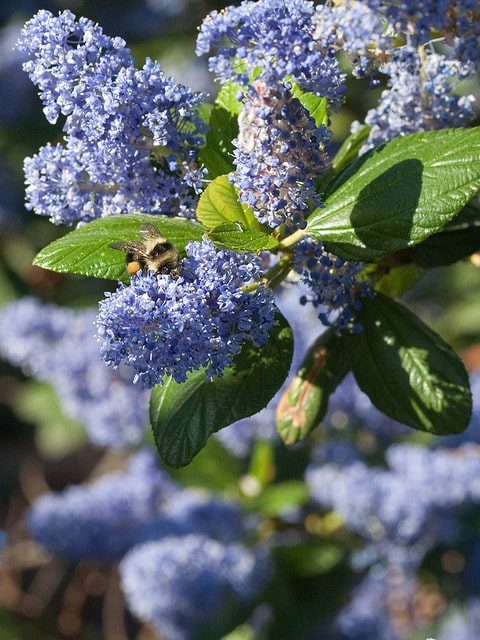
Eye of the Day|Verdure newsletter| wild lilac with bumblebee

Drought Concerns in the Garden

We are in a drought. And it may last for more than the short cycle of approximately seven years that has regularly occurred here in recent history. Some scientists are saying that this is part of a much larger cycle that could be one hundred to one hundred-fifty years in length (and let’s not even try to imagine how climate change will affect that). So, how do we keep our love of living, green things around us with much reduced water resources? One way is to look at the plants that have evolved in this habitat for many thousands of years. Native California plants are great choices for our modern gardens as are plants native to climate zones similar to ours.

Plant Options for Drought
Obvious choices for evergreen shrubs are Manzanita and Ceanothus. Both of these have been bred and selected for a variety of plant shapes and sizes. There are ground-hugging cultivars as well as tall and broad shapes to provide screening. Manzanitas have interesting bark as well as dainty, bell-shaped flowers. Ceanothus are often called California, or wild lilac, for the resemblance their flowers have to the cultivated lilacs our grandmothers grew. Consult a good garden guide or your local nursery for selections and specifics of each cultivar.

Mediterranean Plant Options for Drought
Other readily available options to replace thirsty plants during our dry spells hail from the Mediterranean region.  Some favorites include Echium candicans, Pride of Madeira, that covers itself with spires of tiny flowers in shades of blue and purple as well as Lion’s Tail, Leonotis leonuris, which bursts forth with sprays of brilliant orange blossoms from spring through fall.  And let’s not forget the many selections and species of rosemary and lavender that are ideally suited to our climate as well as their native zones.

Water for the Birds, Bees, and Bugs
One added perk for all of these native and non-natives is that they are quite attractive to bees, butterflies and other beneficial fauna that are seeking sustenance through this dry spell. So don’t be afraid to lose that thirsty garden and replace it with a verdant, more water thrifty landscape.


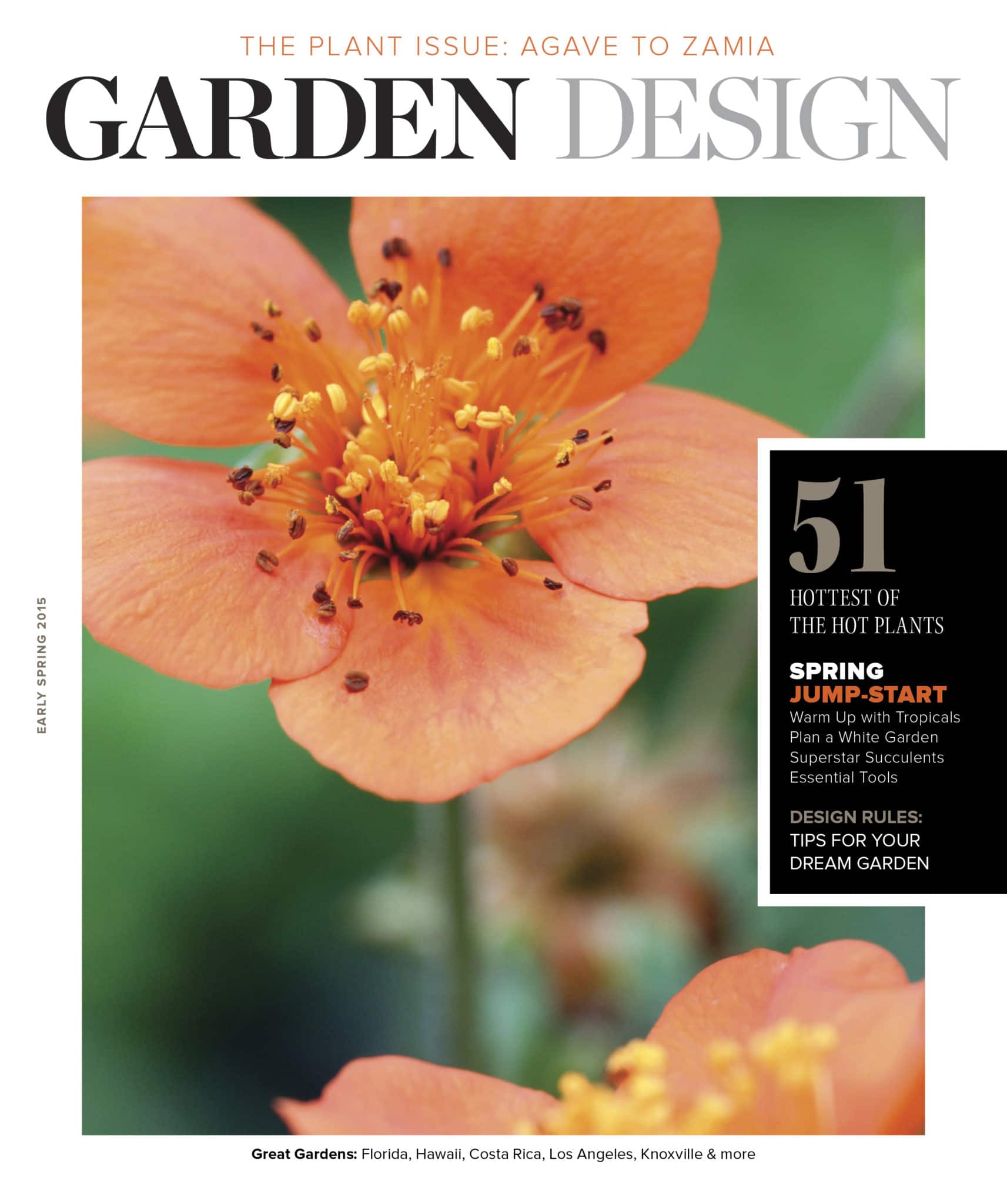
Preview Spring Garden Design Magazine

Eye of the Day|Spring Garden Design |


Garden Design magazine is bringing back their always-popular collection of Way Hot Plants–perennials, shrubs, and grasses plant aficionados love. See them all plus much more stunning photography, gardens, plants, and products in their current issue Early Spring, on sale now. Preview the issue and subscribe today: .


Eco Friendly Landscape Design by Lisa Cox for Hacienda Style Home

Lisa Cox, of Lisa Cox Landscape Design has happily designed landscapes ranging from simple tract homes to vast estates.  As she plans an outdoor environment, she envisions a transformation that communicates the lifestyle and personal taste of the client, while incorporating her own style. Each garden is designed and built with all materials including stone, plants, trees, water features, and garden art selected by Lisa using local, top qualified growers and suppliers.

Commitment to sustainability, the use of drought tolerant plants and trees, including California natives, has been an integral part of her design process, allowing a more “naturalistic” result that mimics the local terrain.

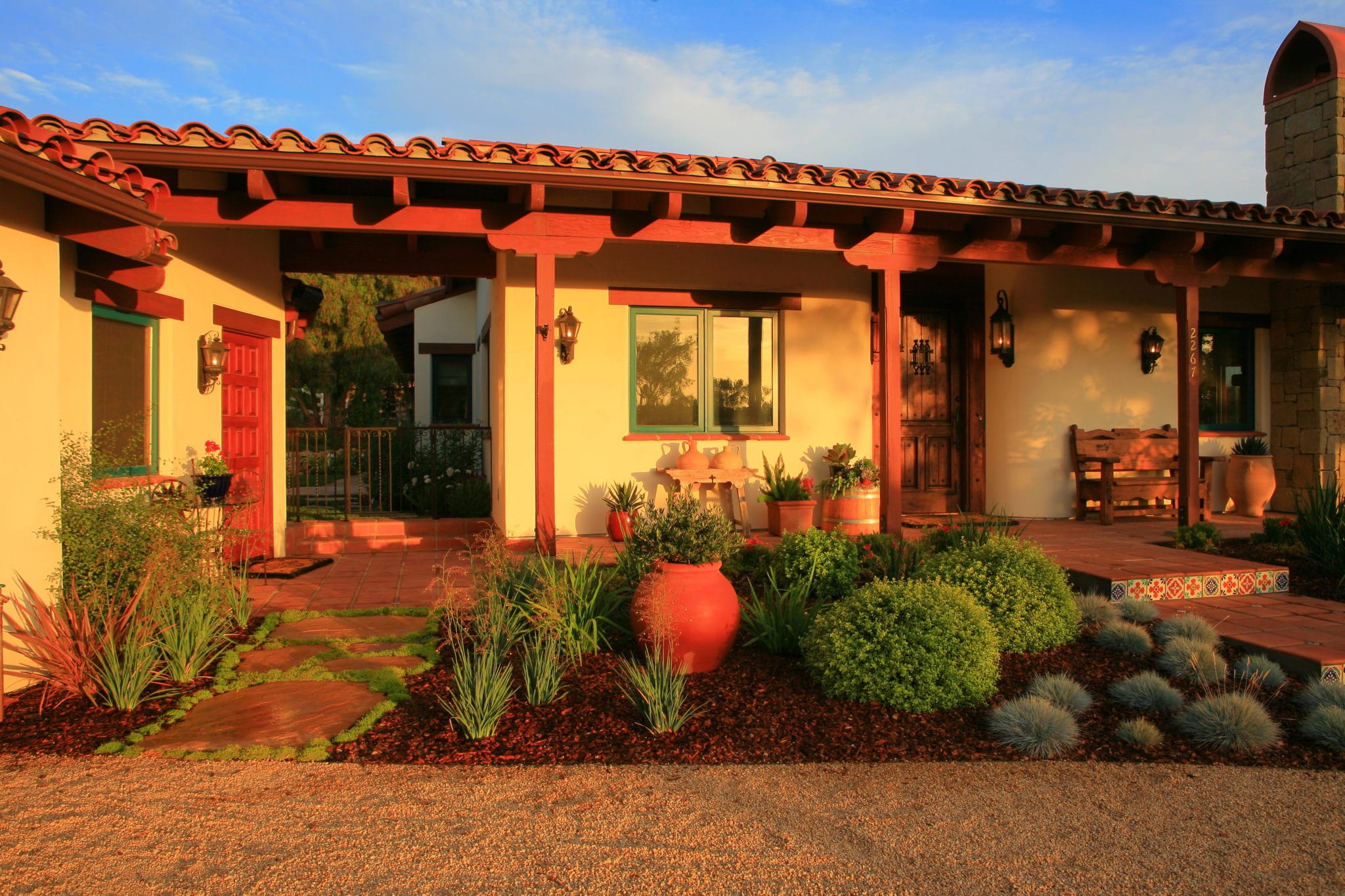
When Lisa met with her new clients in the Santa Ynez Valley, they requested that the newly constructed home not have any sod in the front area, and that she use drought tolerant plants including grasses and succulents. Working with a blank slate, except four nice sized olive trees at the entrance, she was free to design the space, including selection of a plant palette that complimented the Hacienda style of the home. With the use of local sandstone boulders, salvias and phormiums as her base, she also incorporated deciduous trees and perennials for color in the Spring and Summer, and a few rows of grape vines because after all, it’s the Santa Ynez Valley!

Choosing Greek terracotta pots from Eye of the Day, filled with “Blue Glow” Agaves gave the clean, rustic look she was looking for on the front porch and the traditional Terrecotte San Rocco terracotta pot in front worked perfectly to show off the “Little Ollie.”

It seems everything progressed perfectly for Lisa and her clients, but there WERE a few important challenges:

  1. The need to place a gopher basket for every plant as the local area is inundated with gophers that would quickly destroy the plantings, and
  2. The necessity of paying close attention to selecting plants that can stand the heat as well as the sometimes frigid nights where temperatures can go into the low 20’s or below.

As Lisa’s work on the project came to a close, she felt deep satisfaction; in fact she felt this was a home environment she could inhabit herself.  The project was a dream to work on and the end result was exactly what the homeowner envisioned.

Visit Lisa Cox Landscape Design to view more of her work.