la Madeline of Anduze visits

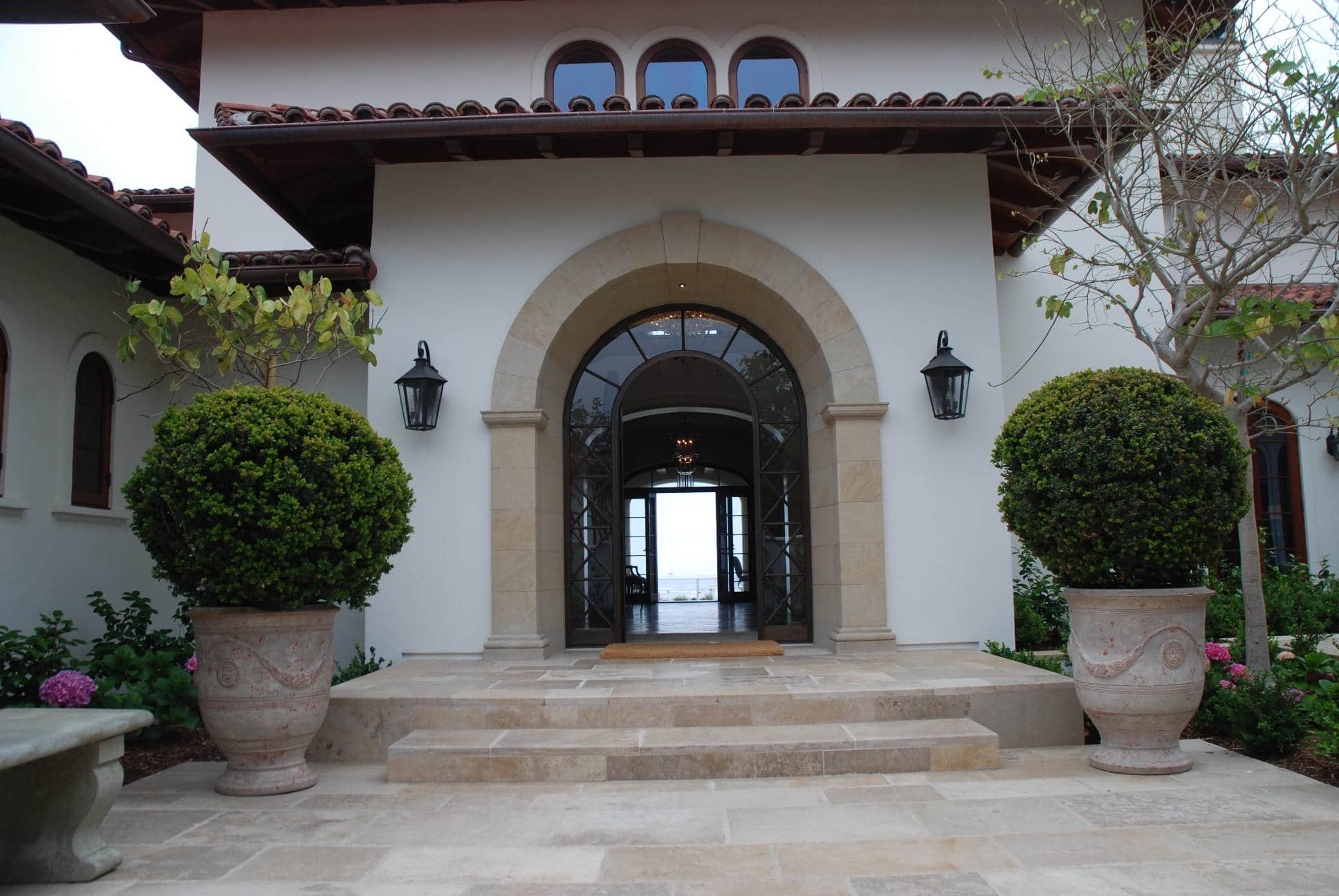
Two Anduze containers flank entrance.

Guillaume Bimar, the dynamic son and partner of Vincent Bimar, founding owner of Poterie de la Madeleine, is a proud man.  The Anduze Vase, long considered THE representational icon of French pottery is the foundation of his business, which actually produces pottery in a variety of designs and colors at their factory in the community of Anduze in the Languedoc-Roussillon region of France.

Guillaume
Guillaume

Poterie de la Madeleine was founded by Vincent Bimar over thirty years ago when he decided to produce the classic vase first made in the 18th century by the potter, Henri Gautier. During this time, there were many “free markets” in the South of France, near Marseilles.  In one of these markets, Monsieur Gautier saw Italian pottery decorated with garlands of flowers and fruit which inspired him to design his own interpretation which included the macaron gracing every Anduze Vase today.   Extensive gardens in Vauvert and Anduze were decorated with Gautier pottery and soon they were being replicated throughout the area, used primarily as citrus planters.  After a time, the “Gautier” pot fell out of fashion,  and for a few centuries were made sporadically throughout Southern France by artisan potters.   When the “Anduze Vase” once again started reappearing, small family-run factories sprang up in the village of Anduze, some of which survive today.

Brent & Guillaume
Brent & Guillaume

Poterie de la Madeleine was the first Anduze manufacturer to export to the U.S. and is now the largest producer of the classic vase.  Guillaume and his father employ 46 people, thirty of whom are making pots in ten different styles and 33 different finishes.  If you were to visit the factory, Vincent Bimar might be one of those working on the pots,  he is a quiet man and stays out of the spotlight.  His son, Guillaume graduated from San Diego State University and received his Masters Degree in International Business at the University of Madrid before becoming a partner to Vincent.  Father and son share their infectious enthusiasm for their work, designing both traditional and contemporary lines of pottery.  The traditional Anduze Vase, available in classic colors, is being used in garden design throughout the United States, lending its inherent grace to a multitude of applications, but new, ultra-modern designs in exciting colors developed by Guillaume and Vincent  provide sheer compliment to mid-twentieth design.

Anduze Copa
Anduze Coupe

Guillaume is proud of his family’s success in preserving a traditional French product and proud that he and his father have made it available to those of us living outside the foothills of the Cevennes.  He has his father and himself to thank.

A Malibu Getaway | Design by Wendy Harper

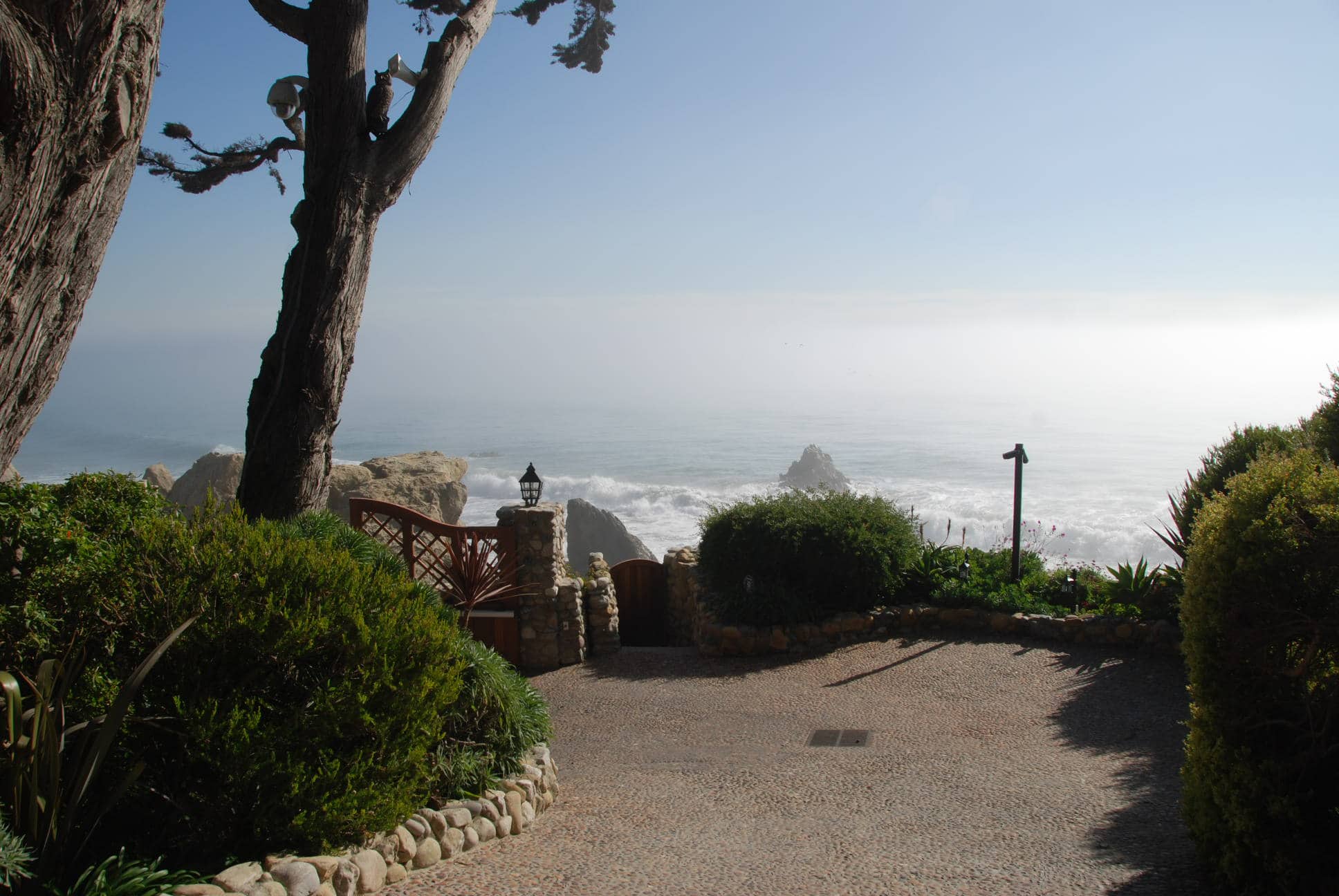
We recently had the pleasure of photographing a Malibu garden design by landscape architect Wendy Harper.

Brooks Color Plan ViewHidden in a canyon perched on a point overlooking the Pacific, the property owned by Harper’s clients is a perfect weekend getaway. The experience begins on the winding narrow road leading you around a bend where you get your first glimpse of the ocean. To enter the property you must then cross over a babbling creek on a beach cobble bridge. Harper used natural beach cobble and Santa Barbara stone to connect with the surrounding environment. Large Monterey Cypress and towering California Sycamores, planted when the home was built in the mid 1900s, create an inviting canopy over the site.

2014-01-22

“The property is long and narrow with many constraints and challenges,” says Harper. “My goal was to make all of the spaces in the garden feel like living spaces, even the parking court, which is incorporated into the yard by introducing a weeping wall water feature, grass ribbons in the beach cobble paving, lush plantings with antique urns dripping with succulents and colorful blooms most of the year.”

2014-01-22

The entertaining patio outside of the kitchen is warmed by an outdoor fireplace decorated with Eye of the Day’s Antique French mantel and surround. Select cut Santa Barbara stone set on sand paves this outdoor room. Eye of the Day’s containers planted with succulents and citrus decorate the space.

2014-01-22

A curved stone staircase leads you up to the pool area. Tuscan-style molded brick columns support the long pavilion framing the pool. Taking a swim in the pool is a musical experience where you can listen to your favorite songs…underwater. Sigis cut glass tile compliments the spa and waterline, and colored pool lights transform the water into a kaleidoscope at night. The ipe hardwood deck ties to the railings which mimic the turned wood railings of the home’s balconies. Interestingly, the use of ipe was the only specification from the homeowner for this project. Everything else was left to Harper’s creativity and expertise.

2014-01-22

“I wanted it to feel like it had all been here from the start, so bringing the turned railings onto the deck was a natural choice,” explains Harper.

2014-01-22

Chisel-cut Santa Barbara Stone walls hold olive trees and sycamores on the upper slope as a lazy hammock swings between the trees. Three small ancient church windows from Eye of the Day’s antique collection inspired the changing room with outdoor shower. The pilaster planters are purposely understated with simple succulent plantings so as not to crowd or overshadow, just to compliment the space.

About the Designer:
Wendy Harper is a landscape architect based in Moorpark, California. To view more of her work, visit the Wendy Harper Landscape Architecture Facebook page. 


Moles, Gophers and Other Damned Pests

garden pests

Unless you live on the second floor (or above) of a townhouse or condo, your garden will probably be plagued at one time or another by some kind of furry pest. Moles and voles are less common in urban areas, but can do serious damage to gardens on the outskirts. Gophers seem to respect no borders and may tunnel dozens of feet into your yard to pull your prized specimens underground in just the blink of an eye. Another ubiquitous pest is the cuddly, cute cottontail rabbit. Just one little bunny can eat its way through a row of lettuces or a patch of parsley while you are watching the evening news.

garden pestsThere is lots of advice about installing baskets around the roots of your newly planted herbs and flowers to thwart the underground vermin. Little else is to be done about rabbits except to fence them out; not usually a very aesthetic option. Another, simple solution is to plant your herb garden in pots. The burrowers can’t get in and if the pots are tall enough (only 10 inches or so) bunnies can’t reach the tender greens.

In fact, planting herbs (or anything) in pots is an ideal way to provide the exact conditions they require. Sage (Salvia officinalis) is partial to very well-drained soil, while parsley (Petroselinum crispum) loves to be moist all the time. Choose the planting medium that fits the specific needs of each plant and it will be easy to ensure success. Pick your favorite culinary herbs and either group them together in larger pots according to their needs or give them their own space and cluster the pots together. Add a pot or two of ornamentals, maybe some that have edible flowers like calendula (Calendula officinalis), borage (Borago officinalis), or pansies and violets (Viola spp.). Nurture the plants and ward off the pests by planting in containers.


Poor Conditions? Grow Tomatoes in Pots

tomatogrowers.com

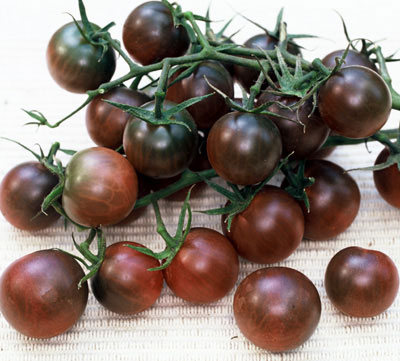
Summer to me means juicy ripe tomatoes (corn and squash also make the menu often, as well). Finally, after months of insipid, tasteless impersonators, there are flavorful, luscious orbs in many shades of green, yellow and red to eat out of hand or include in salads and salsas. Growing up in the central valley of California, tomatoes were easy and plentiful. Both my dad and grandpa had prolific gardens; the days were long, the weather warm to hot and the soil rich and fertile. Just the right conditions for success.

I am not so lucky. I live just a mile from the coast and under a very shady oak tree. Not only does the oak steal the sun, its roots suck up all the moisture and nutrients present in the soil of my small garden plot. So, I have resorted to growing my tomatoes in pots. I plant them in large containers with all the nutrients and drainage they require and place them in the sunniest spot I have.

Choosing the Right Plants

Some years, I’ve started seeds of interesting or heirloom varieties. Some years, I buy already sturdy plants from local nurseries or home improvement centers. One of the characters to look for in choosing tomatoes for containers is the word “determinate.” Some tomatoes just want to keep growing and growing (like the vines some of their ancestors are). These are called “indeterminate” and are less well suited for container culture. The determinate selections have a genetic set-point that limits their ultimate size. They may still require some support, especially as they start bearing those juicy fruits, so provide a tomato cage or sturdy stake when planting to keep them upright.

Consider the Varieties

The scope of varieties is huge, both in size, color and texture. There are those designated as cherry tomatoes (some of the sweetest), perfect, one-serving patio tomatoes and big, beefy tomatoes suitable for accompanying grilled meats at the cookout. Whichever you choose, tomatoes can thrive happily in a planter if your garden plot is less than ideal (like mine). Now is the time to search out your favorites and get them started for those summer feasts. Browse  for an introduction to the wonderful world of tomatoes.


Your Garden: An Oasis for Friendly Creatures

garden frog

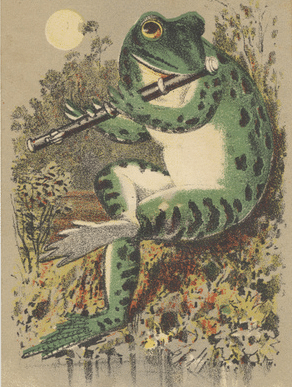
garden frogIf you’ve ever lived anywhere near a lake, a pond, or a stream, you will know what I’m describing now: it is the sound of spring at dusk. This sound is not the cacophony of many tiny birds courting each other as the sun rises; it is the almost deafening din of frogs seeking their mates as the sun descends. Countless frogs are making their way to the nearest body of water with that primal urge to further their species.

Frogs are not the only fauna that seek out some source of water. Many other garden friends such as insect-eating birds and pollinator partners like bees and butterflies also need a reliable source of this essential element. Normally, these nearly invisible insect helpers will sip quietly and unseen under the shrubs or on the dewy grass, but during this drought time, as landscapes transition to much drier sites, there will be fewer of these mini watering holes to visit. Birds are no different, although a bit more evident as they zip or flutter through the garden. Not only do they need a drinking fountain, they will be healthier and happier if they can also take a quick splash to reduce the insects riding piggy back under their feathers.

These creatures are essential partners in the balanced ecosystems that gardens should be modeled on. The great news is that their requirements for water are very small. Insects need just a shaded, boggy spot to land and sip. Container gardens are a perfect way to conserve water and yet offer up refreshment to these critters. For the bugs and butterflies, a bog plant that has just a skim of water over the surface of its soil will allow them to straddle a tiny puddle to slurp up their refreshment.

Birds do want just a bit more surface and depth, but that can be found in a shallow saucer or other decorative container that allows them to sip and splash. Place these containers at the edges of the garden where avian visitors can feel safe from predators.

Your mini oasis may also serve as a way station for other wild vertebrates that share our gardens, such as raccoons, opossums, and more. But everyone should be welcome at our little watering holes.


Brent Abroad: Milan Design Week

Arriving late in Milan after a full day of flying and being able to walk from the baggage claim through two doors and arrive at your hotel is a real luxury. No, I’m not in the Centro, nowhere near the action and have to travel each day by train a half hour plus to and fro but my room is clean and modern and after a long day of meeting people and walking the exhibitions it’s nice to have solitude. I’m an SPG man staying at the Sheraton. Whether in Rome, Paris, San Francisco or Milan there is a hotel if not in the airport, nearby.

Brent in MilanI move heavy and large pots and other weighty things everyday, I don’t want to lug a giant suitcase all over Europe, too. I don’t need to travel fashionably; I’ve learned to launder in my room. Another advantage of staying at the airport is the other travelers are not there for a convention and all of the ancillary activities that many go for but working stiffs just like me.

Sitting in the bar with a dozen or so guys, watching Barcelona play Madrid, drinking beer and eating pizza and pasta doesn’t get much better. Everyone is here for work. A virtual global dining experience: beer, football, BO and camaraderie. An oil and gas guy from Norway, a

Frenchman from Nice here buying vales for pipeline work. A couple of Spaniards, another American; we’re all here to work.

Speaking of work, that’s me with Brent with Marcello from Terrecotte San Rocco. The buzz around San Rocco is exciting and there is a new color too: Ash. A light off-white, with a more grayish finish that the designers should really go for. More big pots. I love their scale. Come see them in person at our exhibit with Terrecotte San Rocco at Milan Design Week.