Edible Garden: All About Tomatoes

container garden | tomatoes| edible

Edible Garden: All About Tomatoes

Emily Moore of Sproutabl, a lawn and garden blog, shares her best tips and practices for growing tomatoes. Check out her helpful infographic below:


And if you’re thinking of using containers, here are some great container garden pot options from our Italian terracotta Classic line and Contemporary terracotta collection.

Photo Credit: Emily Moore, Sproutabl


Montecito Landscape Garden Design – The Cullen Meadow

Garden Design | Montecito Landscape | Cullen Meadow

Montecito Landscape Garden Design – The Cullen Meadow

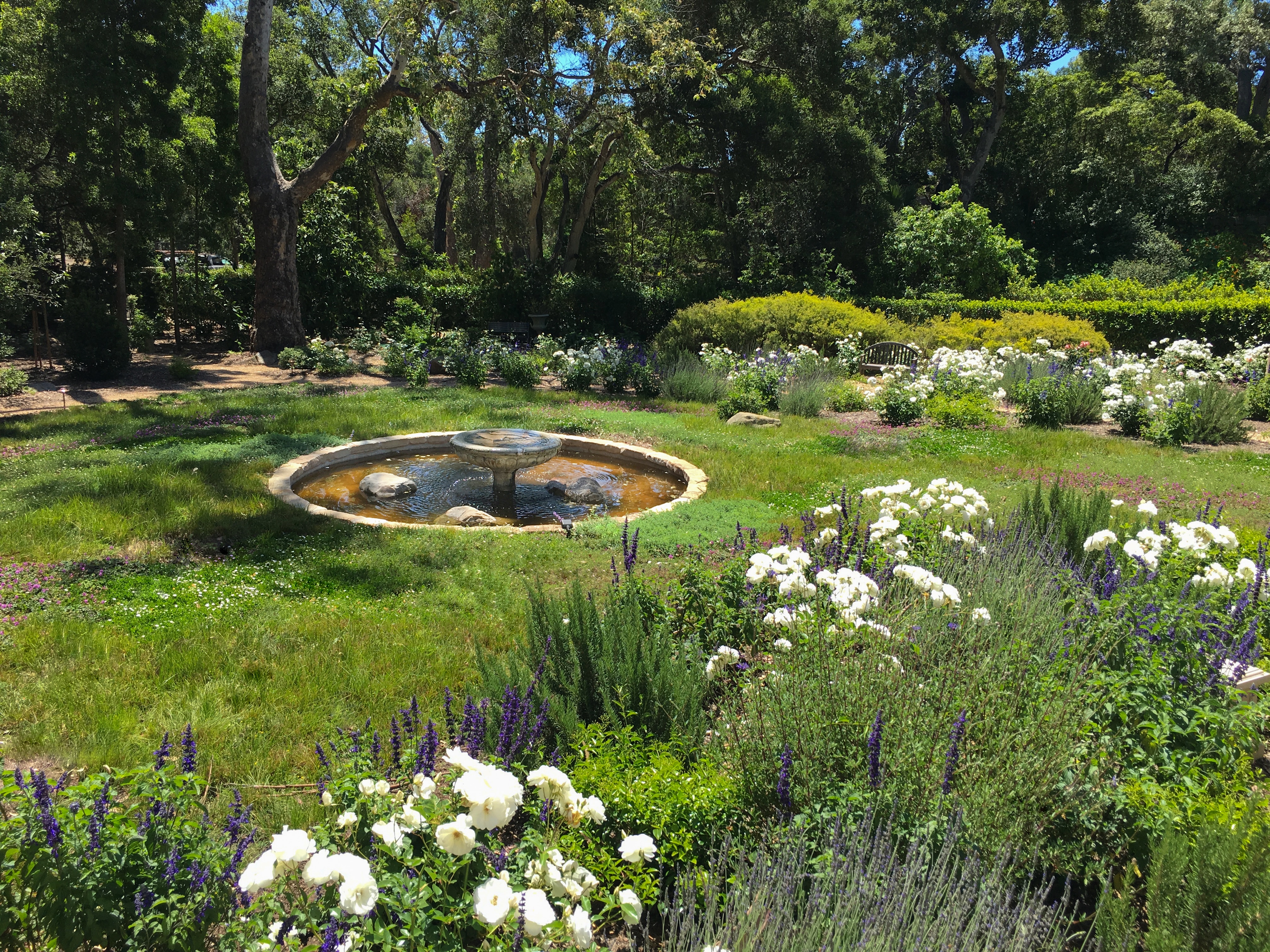
Lisa and Chris Cullen of Montecito Landscape are long time customers of Eye of the Day. We feature one of their recent designs as they transform a large lawn to a walking garden with a central water feature using a custom Eye of the Day fountain conversion.


Garden Design | Montecito Landscape | Cullen Meadow

Tell us a little about Montecito Landscape and this project. 

Montecito Landscape is celebrating 47 years of creating gardens in Montecito and beyond this month! We are a small, boutique company specializing in landscape design and installation. This particular project is one of our favorites. The client was very involved in the development of the design and she trusted us when we presented an out-of-the ordinary idea.

What was your client’s goal for this garden?

The area was a huge, dead lawn and with the drought and water restrictions it was going to be difficult if they wanted to keep it looking good. They wanted something drought tolerant but beautiful and interesting. Initially, the client wanted lawn, but we wanted to do something completely different from the norm. They trusted our vision and agreed to go along.

What was your initial vision for the landscape?

We wanted to eliminate the lawn all together and create a “walking garden” providing destinations that would invite meandering and discovering. We also wanted to take advantage of the outer perimeter of the property by removing the Pittosporum hedges that were cutting off what became “the forest” from the rest of the property. We created pathways and destinations in this area that connected to the main garden, so that one could enjoy it from every vantage point.

Our innovation was “The Cullen Meadow” which is a drought tolerant alternative to lawn. The “meadow” consists of drought tolerant, flowering plants such as Santa Barbara daisy, Nepeta, Carex and others that can be walked on and mowed like a lawn, but that needs only occasional maintenance. Plus, it is way more interesting than a lawn!

The idea for the central pond came from the client when she sent us a photo of one she saw in England. The minute we saw it, we knew this was exactly what this garden needed. We also needed a fountain to mitigate the noise from the street and the pond created the perfect way of integrating a water feature into the design.


Were there any unique problems that came up during the design or installation?

Working out how to make the “Cullen Meadow” something that could be used as a lawn and how to lessen the street sounds and visual distraction of cars going by without blocking the distant views.


What would you describe as your garden design aesthetic and how do you work with your client’s own vision for the landscape?

We work with Nature not against her. We design gardens that are cohesive from conception to the finished product. A garden should flow, it should “feel right”. They should have a theme, a vibe and a sense of place. Our designs take the entire property into account, taking advantage of the unique qualities and features of that specific property. We begin by looking at what makes the space special, what are the assets and work out how we can use those features to their best advantage. We also believe that drought tolerant gardens can be beautiful. They can have roses, camellias and even hydrangeas if planted in the appropriate location and using correct gardening technique.

We love to collaborate with the client. We spend time with them, driving around if needed, pointing out various gardens so that we can tune into their specific aesthetic and discover exactly how they envision using the garden. We want our clients to get out and be in their gardens so we design for the individual. Gardens are for living and we know we have been successful when we hear how much our clients love their new landscapes.


For the garden décor, why these pieces?

The fountain needed to be simple and the correct scale if it was to work in the pond. The pond is 15 feet across and is the main feature of the landscape design, so the fountain needed to be perfect. Brent Freitas at Eye of the Day helped us in selecting the exact right fountain and we (and the client) are very happy with the result.

What was your favorite part of this project and design?

The central pond, fountain and the “meadow” are what make this garden so special. We knew the house and the location deserved something special and I think we succeeded. I love water features, ponds, and fountains and believe that every garden needs one or two for the visual and musical sound aesthetic. Fountains and water features can be “tuned” to fit the type of effect you are trying to create. And fountains are not just for aesthetic reasons! A fountain brings birds and bees to a garden and we all know how important the birds and the bees are!


Visit Montecito Landscape to view more of their work.


Book Review: Planting in a Post Wild World

Book Review Planting in a Post Wild World

BOOK REVIEW: PLANTING IN A POST-WILD WORLD

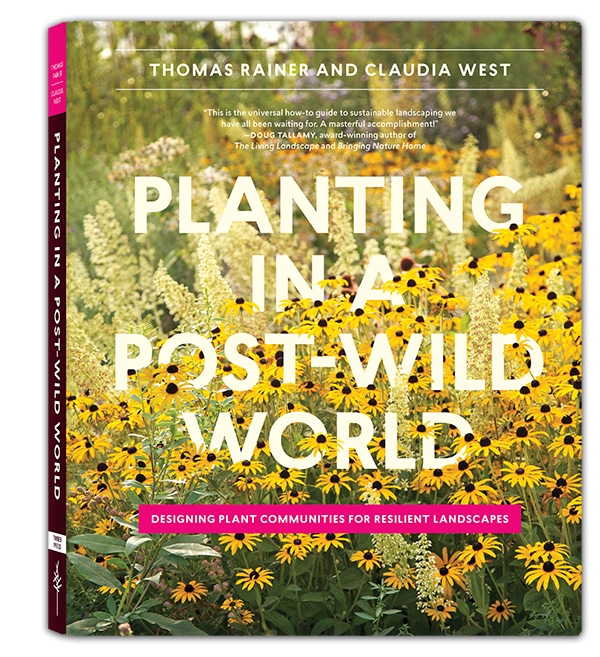
Though most of their readers might be other designers, Thomas Rainer and Claudia West’s Planting in a Post-Wild World offers plenty of information for non-professionals as well. The book shows how to design and maintain an ecological landscape and does so in a beautifully, clear way. One of the most helpful sections of the book suggests viewing a landscape in four different layers:

  1. Structural Layer: comprised of the year-round key parts of a design. These components should always be maintained, though replaced if needed, and kept clearly defined as they are the basis of the design.
  2. Seasonal Layer: waves of color/texture provided by each season’s visually dominant plants. These are maintained by treating them en masse, thinning or spreading as necessary.
  3. Groundcover Layer: provides the main diversity of the planting and most of the ecological function. This layer does not contribute noticeably to the aesthetic design, except as a living mulch. It’s managed by retaining and adding diversity as much as possible to maximize the health of all the plants in the landscape.
  4. Gap Fillers: self-sowing plants throughout the design and encouraged to set seed. This builds up a seed bank of desirable plants which will ideally sprout to fill any gaps that occur.


Book Review Planting in a Post Wild World I love how the authors separate the main aesthetic contributors (the first two layers) from the main ecological contributors (the last two). That makes it much easier to create a landscape that is strong in both beauty and functionality.

For a gardener, unfamiliar with ecology, this book is a great primer.


Garden Design Magazine: Spring 2017

Garden Design Magazine Spring 2017

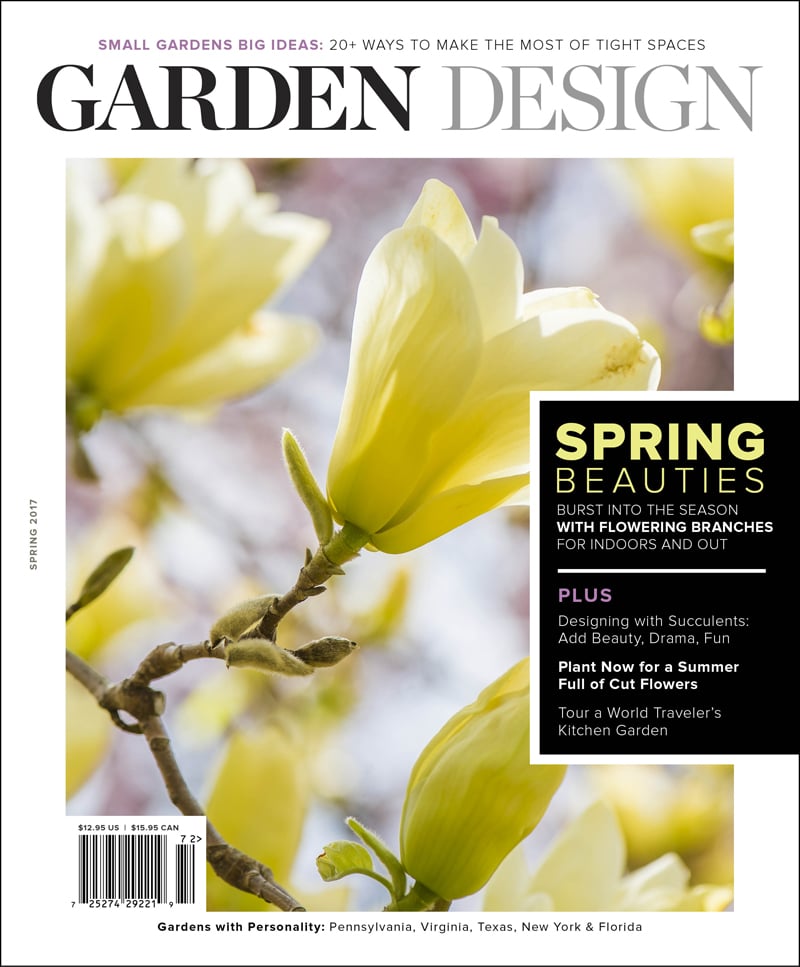
Garden Design’s Spring Issue Now Shipping – Get Yours!

Subscribe before April 15th, 2017 and get this issue free when you subscribe! Go to

Garden Design Magazine Spring 2017

If you haven’t seen Garden Design magazine yet, the current issue is a great one to start off with!

  • There are no ads in Garden Design. Yes, you read that right—no ads.  Just 148 pages of beautiful gardens and plants delivered to you each quarter. These are more like books.
  • Many of the stories unfold over 8 to 20 pages. So you get the behind-the-scenes look at topics you care about most—designing with plants, landscape design, container gardens, kitchen gardens, houseplants, and more.
  • Each magazine is collectible and coffee table worthy. It’s filled with large, bold photography so you can appreciate the details of gardens that make them great.

Plant lovers will love this issue:

  • Daffodils: Here’s what you need to know about planting, growing, and enjoying daffodils. Wait until you see the photos!
  • Learn how Annie’s Annuals become one of the most trusted gardeners in America.
  • Flowering branches: The parade of blossoms from flowering branches starts in February and continues through May and beyond. Get tips for growing, arranging, and harvesting them

There is so much more in this issue! Here is what a recent subscriber said:

“I saw a copy of Garden Design magazine late last year and was absolutely impressed with the in-depth articles and the beautiful photography. This past spring I became a subscriber and love every single page. It is beautifully presented and I love that there are no ads. I don’t subscribe to too many magazines, but Garden Design is worth every single penny. I highly recommend it.”

Subscribe before April 15th, 2017 and get this issue free when you subscribe!

Go to: 

Photo Credits:

Daffodils- Georgianna Lane
Annie (Nursery display garden)- Meg Smith
Flowering branches’ Ngoc Minh Ngo​


Garden Recipes | Bye Bye Seasonal Citrus Salad

Garden Recipes | Citrus Salad

Garden Recipes | Bye Bye Seasonal Citrus Salad

Here’s a recipe for a last hurrah of the citrus season.  But, no tears now…spring fruit is on the horizon!


Citrus Salad with Some Spice

¼ cup sugar
½ tsp red pepper flakes
¼ cup (packed) cilantro, plus more for serving
4 blood oranges
4 clementines
2 navel oranges
2 tangerines

Combine sugar, cilantro, red pepper flakes and ¼ cup water in a small saucepan.  Heat and stir until the sugar is dissolved.  Strain cilantro syrup through a sieve into a clean jar and set aside.

Using a sharp knife, remove peel and white pith from all of the fruit and slice crosswise into ¼” thick rounds.  Arrange on a platter, drizzle with the cilantro syrup and top with additional cilantro leaves.


Photo Credit: Image in Public Domain, CC0 Public Domain


Garden Cocktails | Blood Orange-The Midwick Sally

Garden Cocktails | Blood Orange

Garden Cocktails: Blood Orange – The Midwick Sally

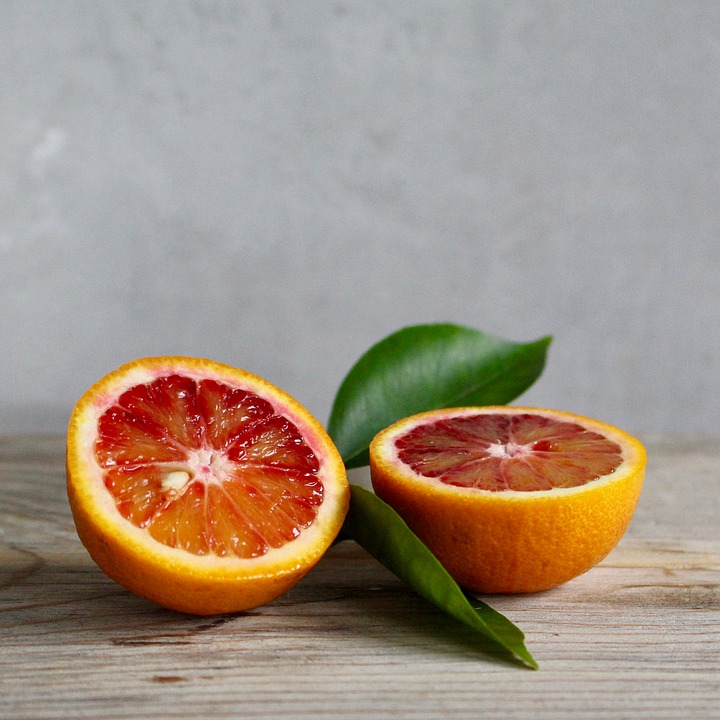
Blood Oranges are nearing the end of their season, but don’t forsake our favorite citrus yet, use them with gusto!  They are called Blood Oranges for their deep red flesh and rosy blush on the skin, and are the perfect blend of juicy, sweet and tart. Traditionally grown in Italy, Blood Oranges are popular with chefs for use in creating amazing sauces, sorbets and desserts and cocktails.

Garden Cocktails | Blood Orange
These sunny citrus gems should be firm and heavy for their size and might have red/orange skin or just look like a plain old orange.  They should have a sweet, clean scent and may temporarily stain your fingers when you squeeze enough juice to make…

THE MIDWICK SALLY

1 oz. Blood Orange juice
1 oz. Rye Whiskey
½ oz. lime juice
½ oz. Aperol

Shake with ice in a cocktail shaker and serve it over ice in a rocks glass.  Garnish it with a Blood Orange slice frosted with sea salt perched on the rim.  Make one for your friend, too. Or your sister.